This edition of Story as Legacy is rooted in a deceptively simple idea: care.
Care is often spoken about as a private virtue, a feeling expressed quietly between individuals. But the grantees and stories featured in this issue remind us that care is also public work. Through rebuilding trust, sustaining communities, preserving memory, and creating conditions under which collective life can endure, care is proven to be essential to civic repair.
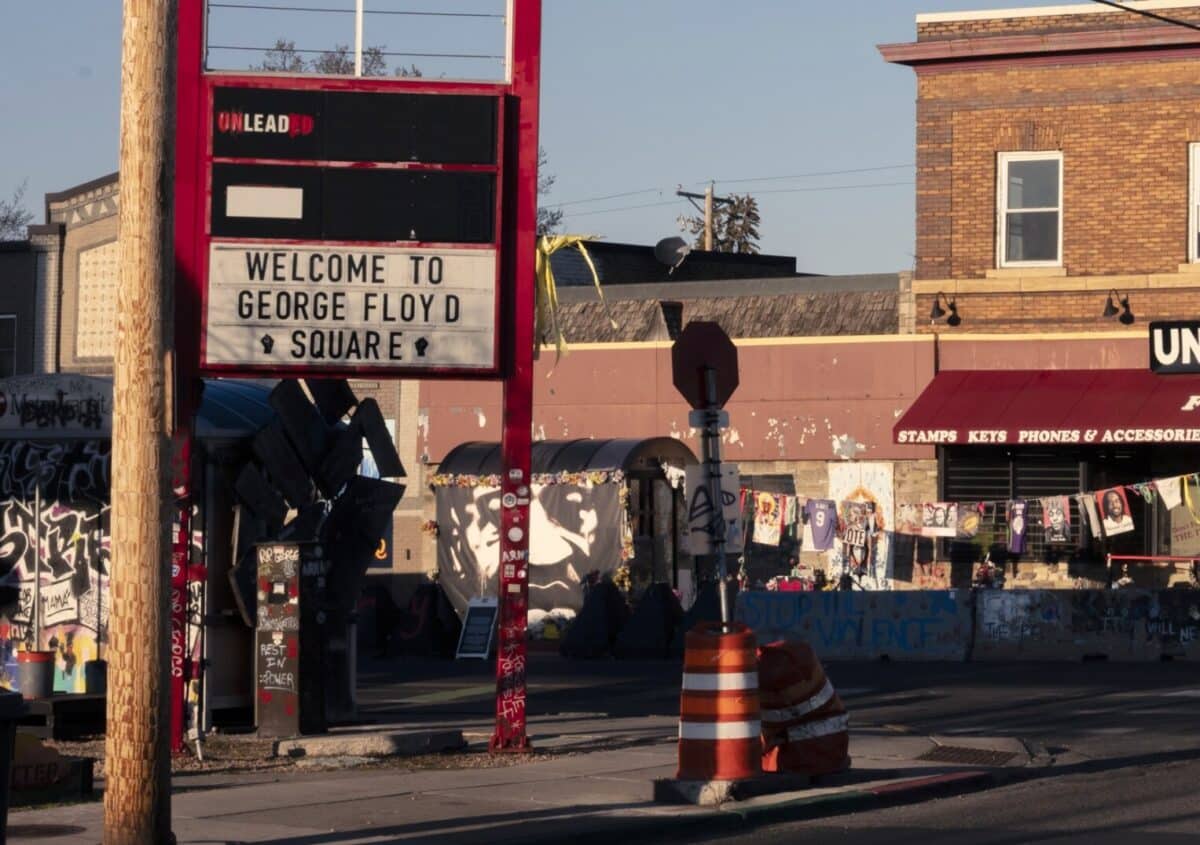
Late last year, while visiting the Powderhorn community in South Minneapolis, I accompanied Jeanelle Austin of Rise & Remember on a walk through the neighborhood surrounding George Floyd Square. As we approached the former gas station that now serves as a community hub, we smelled smoke—burning plastic from a pile of trash nearby. Without hesitation, Jeanelle turned and said simply, “I’ve got to get a bucket.”
Minutes later, using pitchers borrowed from a local coffee shop, we were pouring water onto the smoldering heap. Because we were there; because it needed to be done.
The moment stayed with me because it clarified something difficult to define. Care is attention put into practice. It is the willingness to notice what is broken, neglected, endangered, or in pain and to accept some responsibility for it. Communities endure not simply through shared values, but through acts of stewardship, protection, and mutual obligation.
The stories in this issue explore those forms of care in many different contexts.
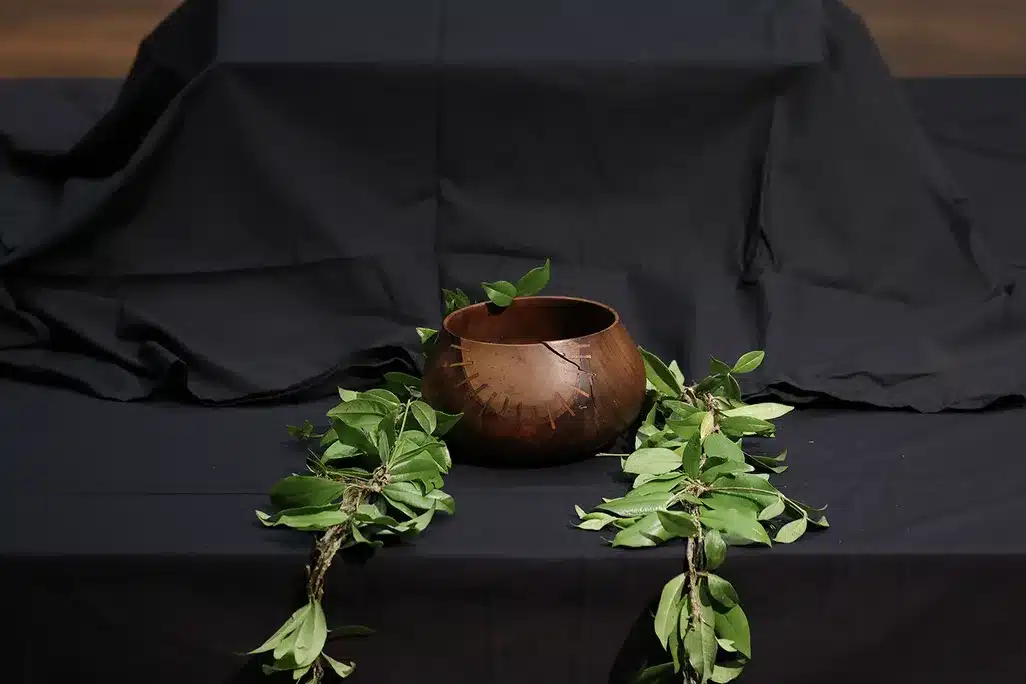
Rise & Remember examines public memorialization as an act of visibility and collective healing. Native Hawiian attorney and cultural advocate Edward Halealoha Ayau reflects on decades of work protecting ancestral remains. In different ways, these two Religion and Theology Program grantees demonstrate how care can safeguard histories that might otherwise be lost.
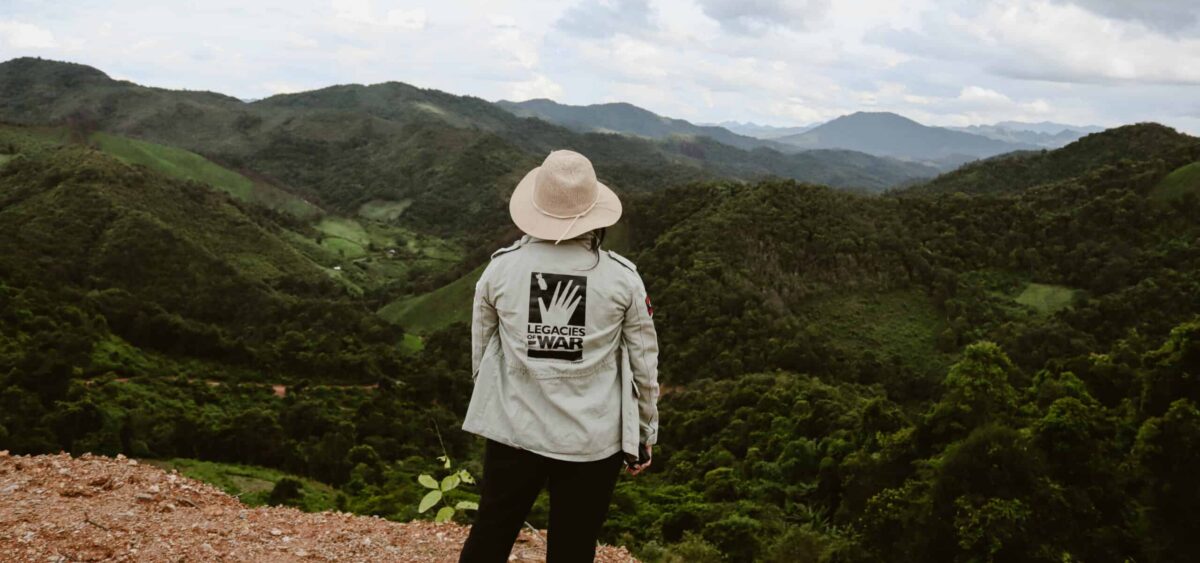
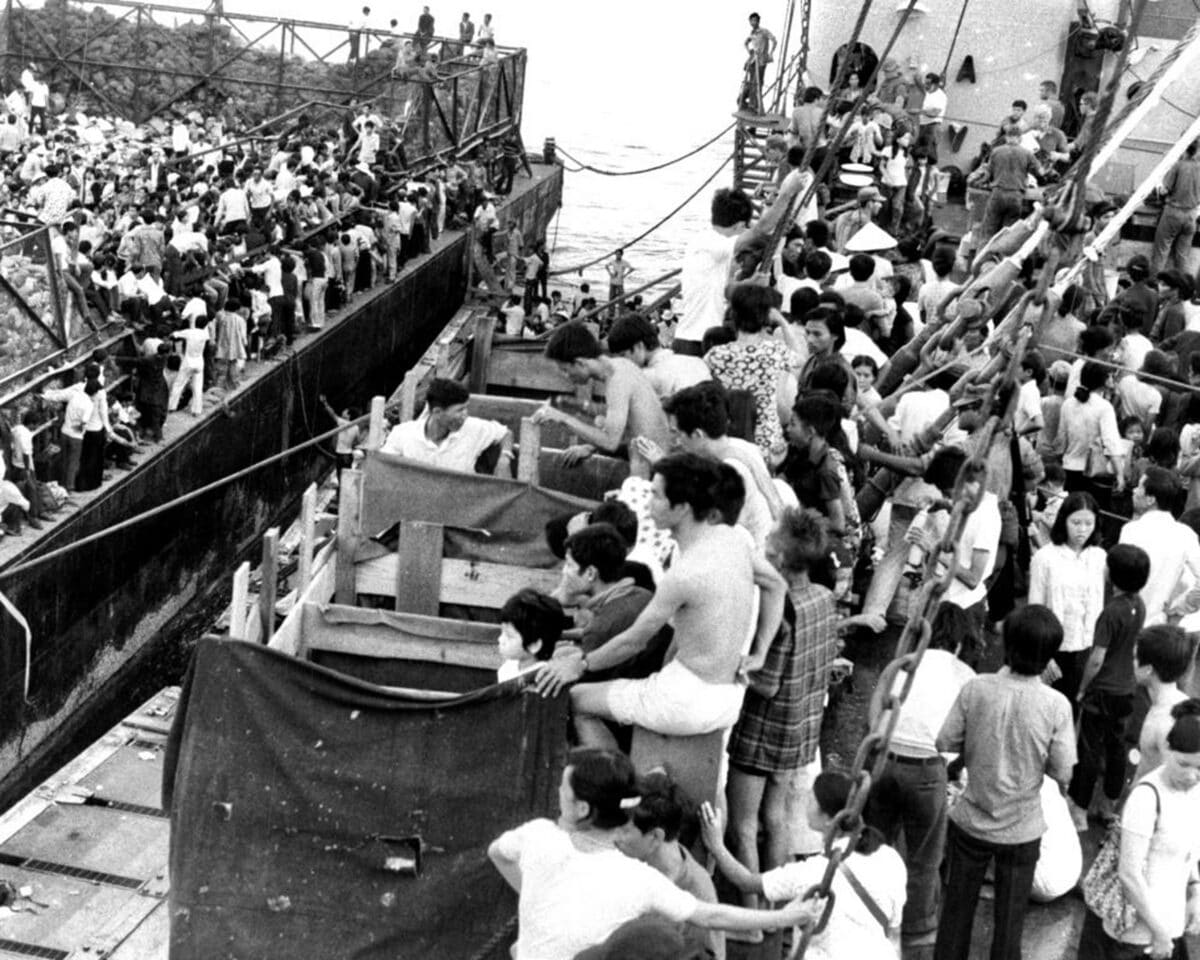
Others consider care through the lens of repair. Legacies of War continues it’s work educating and addressing the enduring humanitarian consequences of conflict in Laos, and Nam C. Kim points us toward questions of displacement, migration, and resettlement. Both Asia Program grantees highlight the individuals and communities who make rebuilding possible in moments of profound upheaval.
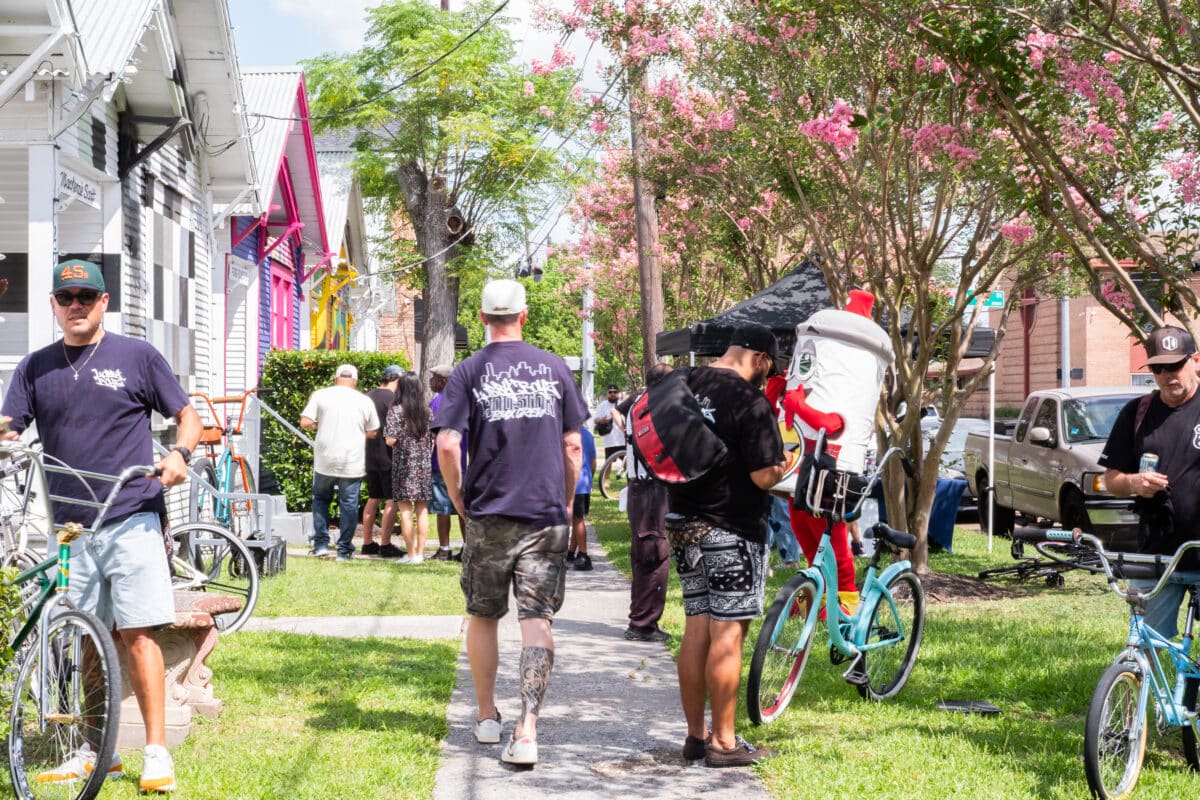
For decades, Project Row Houses has demonstrated how art and neighborhood investment can work together to sustain communities and foster belonging.
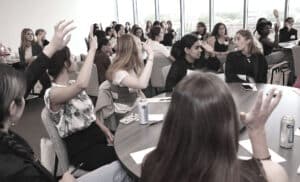
We also hear from President and CEO Jonathan Holloway on a new Luce project, Something in Common. The national listening tour hearing from our nation’s young civic leaders is grounded in the belief that meaningful connection across differences remains both possible and necessary.
Taken together, these stories suggest that civic repair begins not with abstraction, but attention: to community, to one another, and to our shared history. Care asks us not only what we value, but what we are willing to sustain to build a better future together.
Jacob Entenman
Content Manager, Henry Luce Foundation