I. “Why does he want to talk with us?”
This was the question that stuck in my mind as we were making final preparations for the launch of the latest Luce project, Something in Common: Reimagine Civic Life, Together. The question came from a young civic leader in Dallas when she heard that the Foundation was sending a small team to her area to engage her and similarly civic-minded peers in a conversation about how to repair our civic square in such an unsettled time.
On the surface, the question made sense. There was no reason for a high school senior in Texas to know anything about the Luce Foundation. Nor was there reason for her to believe that the leader of this New York-based philanthropy had an interest in learning what was on the minds of 17–24-year-olds.
At the same time, the question revealed something else: the young person’s presumption that she and her peers were invisible and voiceless. The question told me that these are individuals who are accustomed to having events happen to them instead of being understood as active participants in setting the terms of their own future. Put plainly, I found the question to be a despairing articulation that adult society does not value the coming generation’s ideas.
Something in Common is a national listening tour—a series of convenings in communities across the country where we sit down with young leaders, ages 17-24, to hear how they think about repairing our civic life.
The impetus behind Something in Common came from my conviction that the nation’s metaphorical civic square is badly damaged and in need of repair. Trust in institutions is at historic lows, and yet the loudest voices in our public life are rarely the ones closest to the problems. So, we are hitting the road to listen.
The bet that undergirds our commitment to travel around the country to listen to young civic leaders is that the repair is possible but will require long-term investments in a rising generation of civic leaders who are determined to improve the quality of life at the local level. In order for this bet to pay off, we need those young leaders to understand that they matter. This is the ambition of this new initiative: send clear signals to local leaders of the rising generation that their voices matter, that their ideas have value, and that they can help us all think through old problems in new ways.
II. “Why does he want to talk with us?”
When I encounter young leaders’ confusion about why someone in a position of authority wants to listen to them, I’m hearing that which is simultaneously predictable and lamentable. They are not the first generation, after all, to feel ignored. Something in Common presents an opportunity to suggest a different set of possibilities.
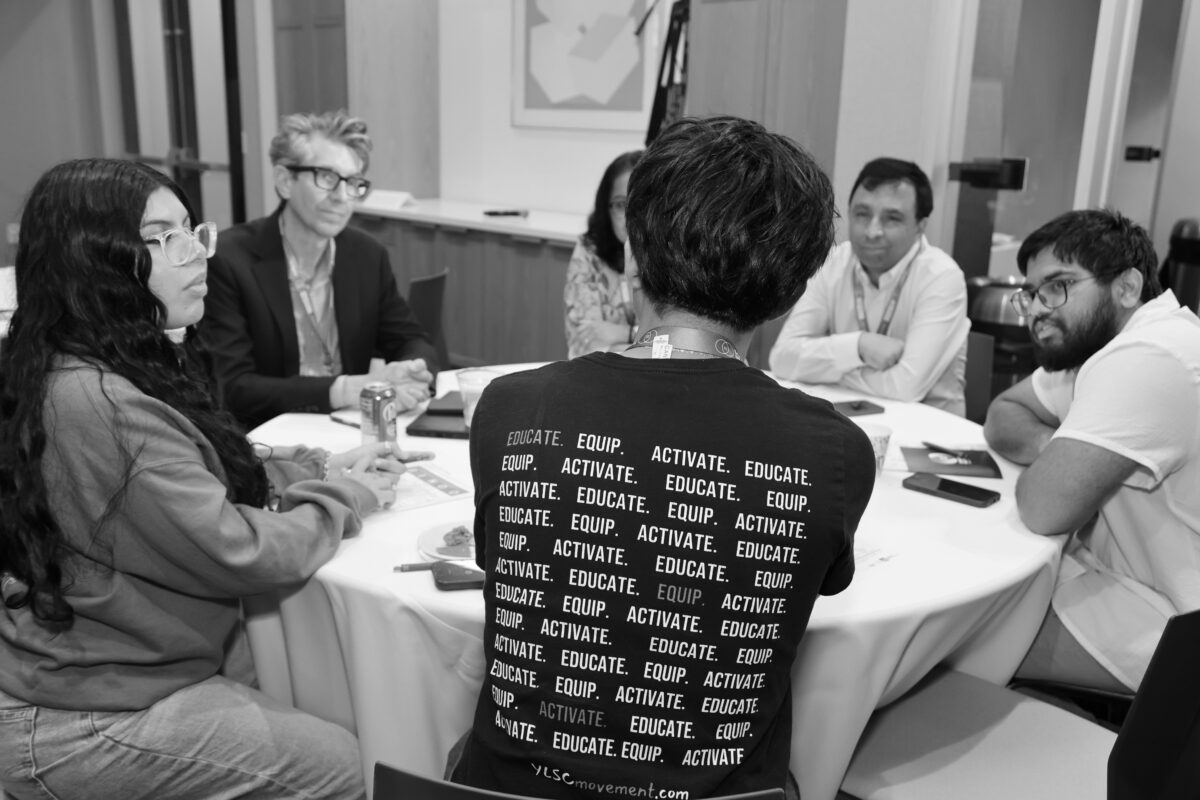
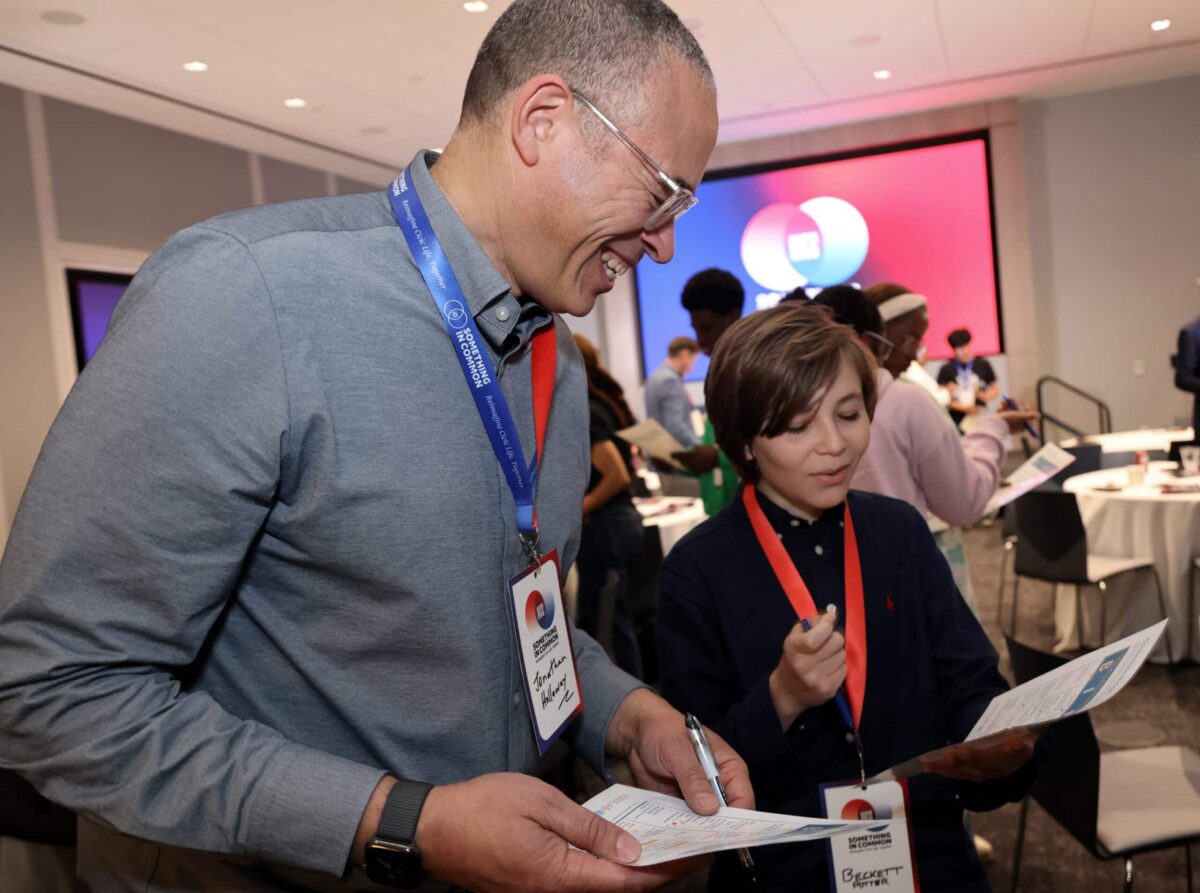
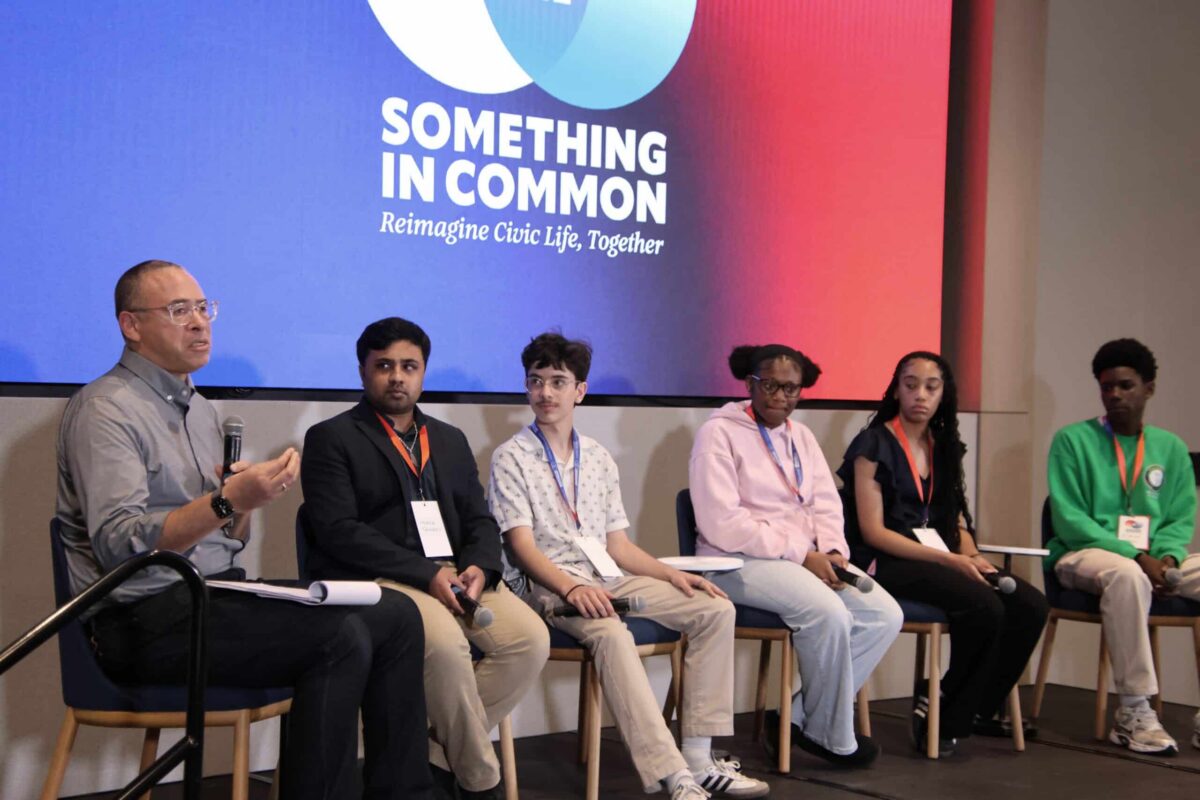
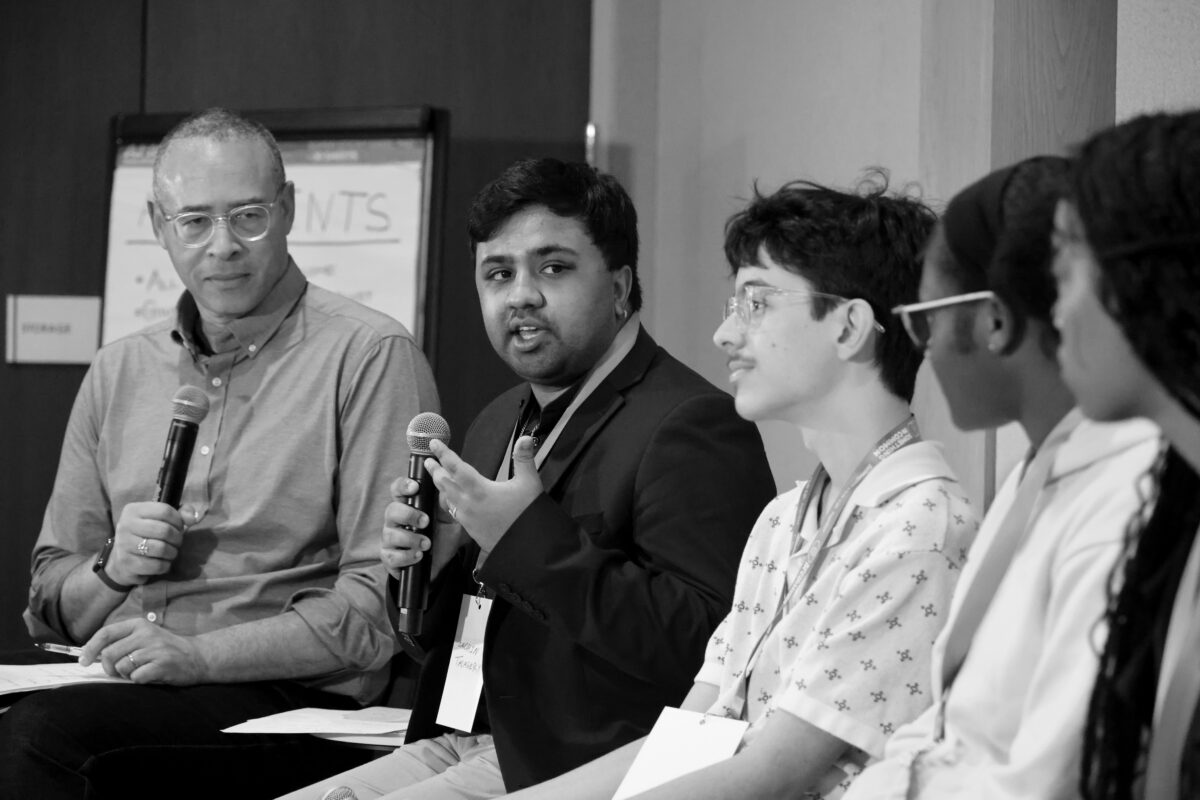
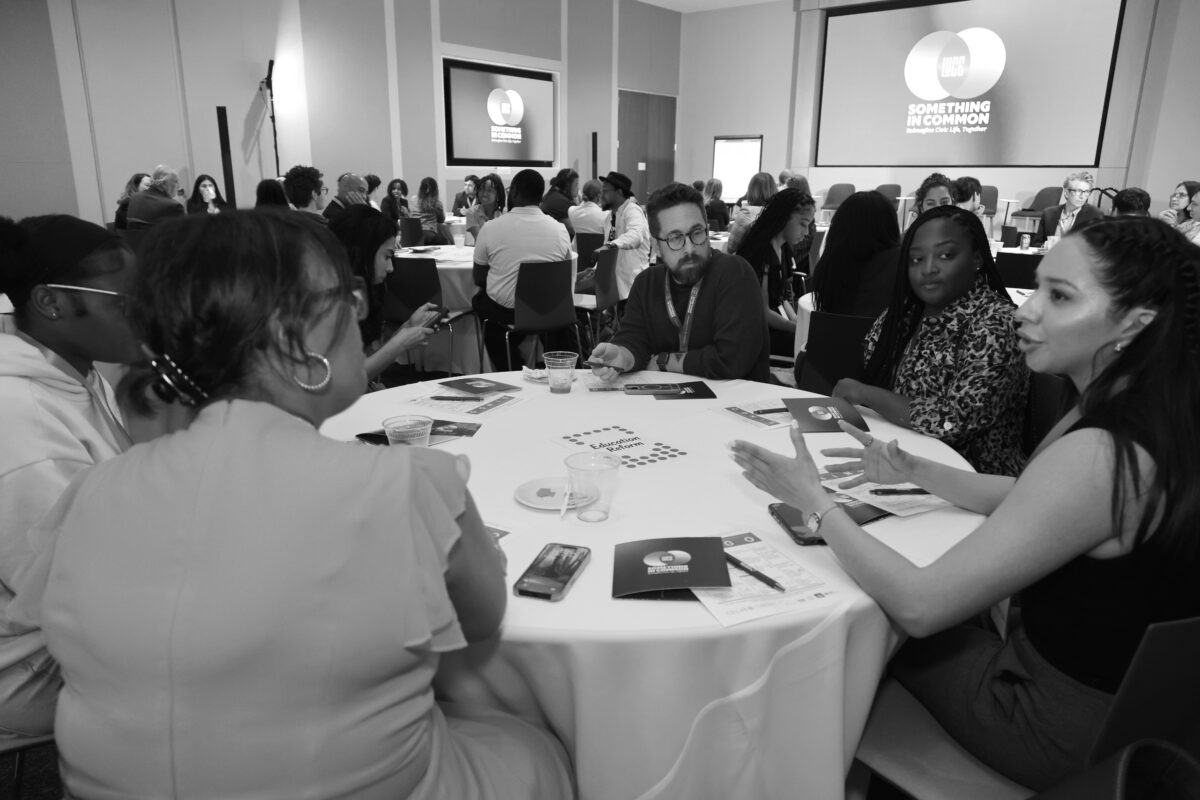
After a warm-up round of small group conversations where fifty people shared their views on third-rail topics like generational distrust, civil disagreement, and discrimination in schools, five panelists joined me on the stage for a forty-five-minute conversation about the challenges and opportunities young civic leaders find themselves facing today. There were consistent themes that underscored the abiding feeling that adults simply didn’t listen to the next generation. The young civic leaders felt silenced, ignored, and invisible. Too often, they felt like a problem to be solved instead of a future to be cultivated.
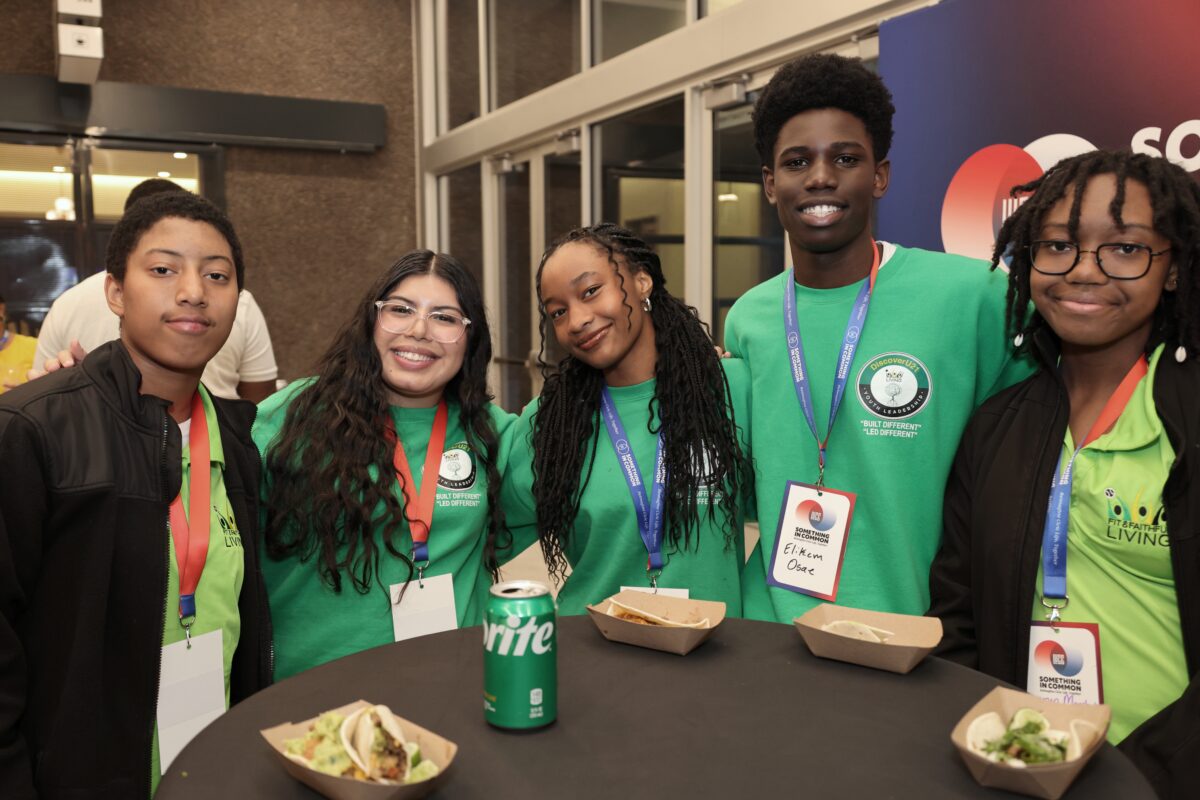
What I found hopeful in this conversation, though, is what matters most. What could have otherwise been dismissed as familiar, generational complaints were articulated in a way that one could not ignore. These young civic leaders came to the conversation with common refrains, yes, but they also brought solutions. They recommended the creation of “third spaces” that allowed for open conversations between and among those of varying views. They advocated for financial and civic cultural literacy training so the next generation isn’t left to stumble toward its own solutions thereby recreating past errors. They urged that we all develop expectations of accountability that grow out of shared interests instead of being driven by the threat of punishment. The maturity evinced by the panelists is a reflection of their own personalities, to be sure, but it is also an outgrowth of their engagement with civic-minded organizations that are deeply rooted in local spaces and cultures. For this inaugural roadshow, we, the Luce Foundation, partnered with History Co:Lab. The Co:Lab convened its Dallas civic ecosystem, assembling panelists from local organizations including Big Thought, Fit and Faithful Living, the World Affairs Council, and Young Leaders Strong City.
Here, too, is an important aspect of Something in Common: local organizations are attuned to context and customs that can facilitate bridge building across differences of all types, be they political, philosophical, racial, generational, gendered. This is where Something in Common serves as an embodiment of the Luce Foundation sensibility that says local investments have great potential to make substantive differences.
III. “Why does he want to talk with us?”
I close with a reframing of this question: why does the Luce Foundation want to talk to them? Because this engagement is an opportunity for us to identify and highlight that which we have in common so that we can reimagine a healthy civic life, together.
Jonathan Holloway
President and CEO, Henry Luce Foundation