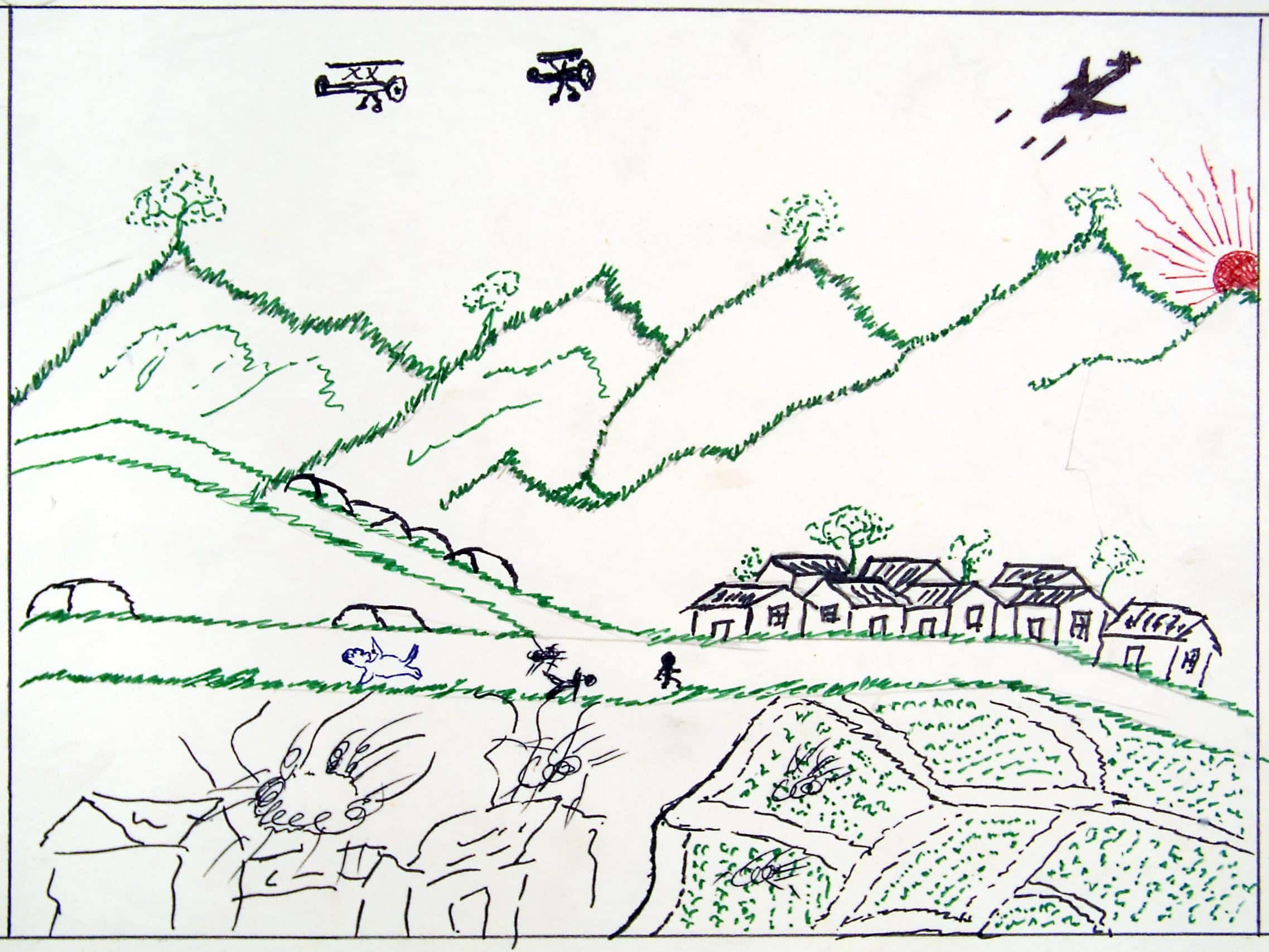
Between 1964 and 1973, the United States unleashed more than two million tons of bombs on Laos. The devastation was extraordinary.
Credit: Legacies of War
Entire villages were razed and vast farmlands rendered unusable, while several hundred thousand Laotians were killed—most of whom were civilians.
Credit: Legacies of War
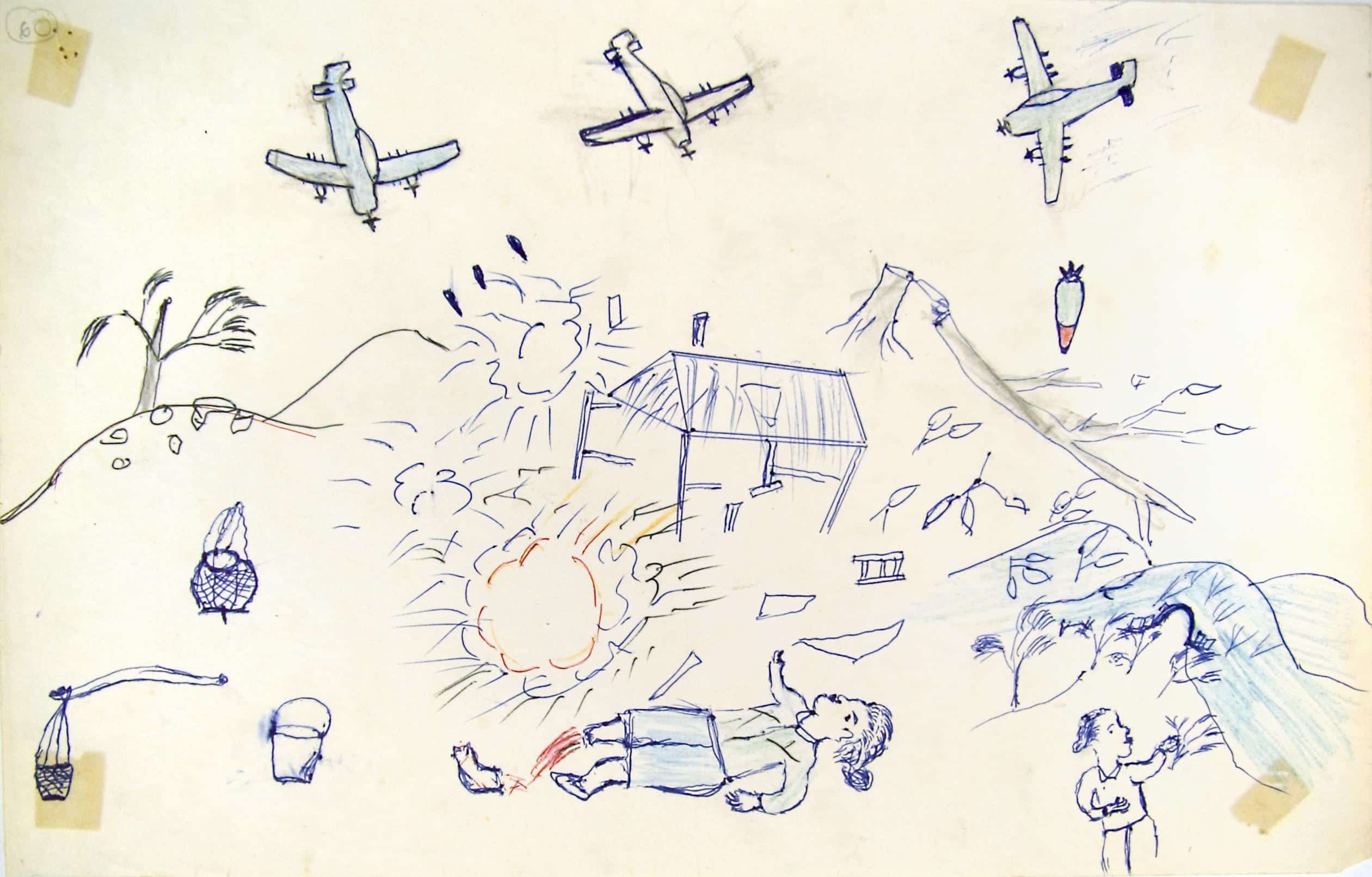
Laos remains the most heavily bombed nation in the world per capita.
Credit: Legacies of War
Yet many Americans have still never heard about the US’s involvement in Laos. The campaign was kept classified for decades, originally having been authorized by the US Central Intelligence Agency (CIA) to disrupt North Vietnamese communist supply routes—the Ho Chi Minh Trail chief among them—passing through Lao territory. With support from Henry Luce Foundation’s Asia Program, Legacies of War works to raise public awareness of this secret history, foregrounding educational programming and multimedia storytelling, to ensure that these histories remain alive, relevant, and transformative.
In 2004 Channapha Khamvongsa—who came to the US from Laos in the wake of the war when she was seven years old—founded the nonprofit organization Legacies of War to shift the discourse of US wartime involvement in Laos toward reconciliation. Six years later, in 2010, Khamvongsa advocated for increased US demining efforts to a congressional subcommittee. And for good reason: To this day, an estimated 80 million unexploded ordnance (UXO) remain embedded throughout the landlocked Mekong country. Indeed, since war’s end more than a half-century ago, over 50,000 Laotians, roughly half of them children, have been killed by these cluster munitions.
It wasn’t until late 2016, however, when Barack Obama became the first sitting US president to visit the Lao People’s Democratic Republic (LPDR, est. 1975, formally the Kingom of Laos, 1954–75), that the United States formally recognized the Secret War, as the topic emerged toward the close of the president’s 2016 address at the Lao National Cultural Hall. There, in Vientiane, the capital of Khamvongsa’s birth country, President Obama cited the enduring relations between Laos and the United States and thanked Khamvongsa directly for her tireless work leading up to that historic moment:
“We’re connected by Channapha Khamvongsa…for years, she urged the United States to do more to help remove unexploded bombs here in Laos. ‘There are many, many problems in this world that might not be able to be solved in a lifetime,’ she’s said, ‘but this is one we can fix.‘ So, Channapha, we thank you for working to fix this problem.”
It was during that visit that the US also announced its commitment of $90 million to the removal of UXO over the next three years. Together with the Laos Government’s own ongoing removal and risk education efforts through its Lao National Unexploded Ordnance Programme (UXO LAO, est. 1996), there was reason to hope for progress on the issue.
As pointed out by Asia Program Director Yuting Li, the work of Legacies is a model for what cross-cultural knowledge and community-led advocacy can achieve across generations:
“We’re proud to support Legacies of War, a small, volunteer-based, women-led organization that has spent more than two decades educating US audiences about the enduring consequences of the American wars in Vietnam, Laos, and Cambodia. Its work reminds us that the legacies of conflict do not end when fighting stops; they remain in unexploded ordnance that continues to endanger lives and landscapes, and in memories that risk fading as survivors and refugees age. With Luce support, Legacies of War is documenting survivor stories, collecting cultural materials, and deepening partnerships in Southeast Asia so that these histories can continue to inform classrooms, public conversations, and future generations.”
As of late 2025, LPDR had successfully cleared roughly 13,000 acres of land and destroyed more than 59,000 UXO. Still, the work is far from finished. In 2025, there were eleven reported UXO accidents, five mortalities and sixteen injuries mostly involving children. In addition, LPDR remains one of the least developed nations in the world, in part because of complications surrounding UXO removal efforts. Heavy rainfall during monsoon season (from May through October annually) leads to flooding and mudslides, shifting buried ordnance and requiring land to be re-cleared.
“It’s very slow going,” says Danae Hendrickson, who for the last five years has led Legacies of War’s efforts at mission advancement and communications. “Thinking about my family that’s still over there, they’re rice farmers with little children. I needed to be a part of helping with that in some fashion,” she says. When Hendrickson’s mother, who emigrated to the US as a refugee after the Vietnam War and settled in North Dakota, passed away in 2013, Hendrickson realized how isolated she was from her own Lao heritage. It was through Legacies of War that she was able to connect with a Lao and Southeast Asian community and learn about her own heritage, a process that she described as “healing.”
Over the years, Legacies has developed a growing suite of free educational resources pertaining to the Secret War—books, articles, films, maps, and a timeline of events. The organization also hosts an Advocacy Ambassador Program, which extends its reach beyond what can be accomplished by its core staff. A network of thirty volunteers across the United States now engages members of Congress on demining policy and works to preserve firsthand accounts from survivors, and the Laotian diaspora, through the organization’s website and podcast.
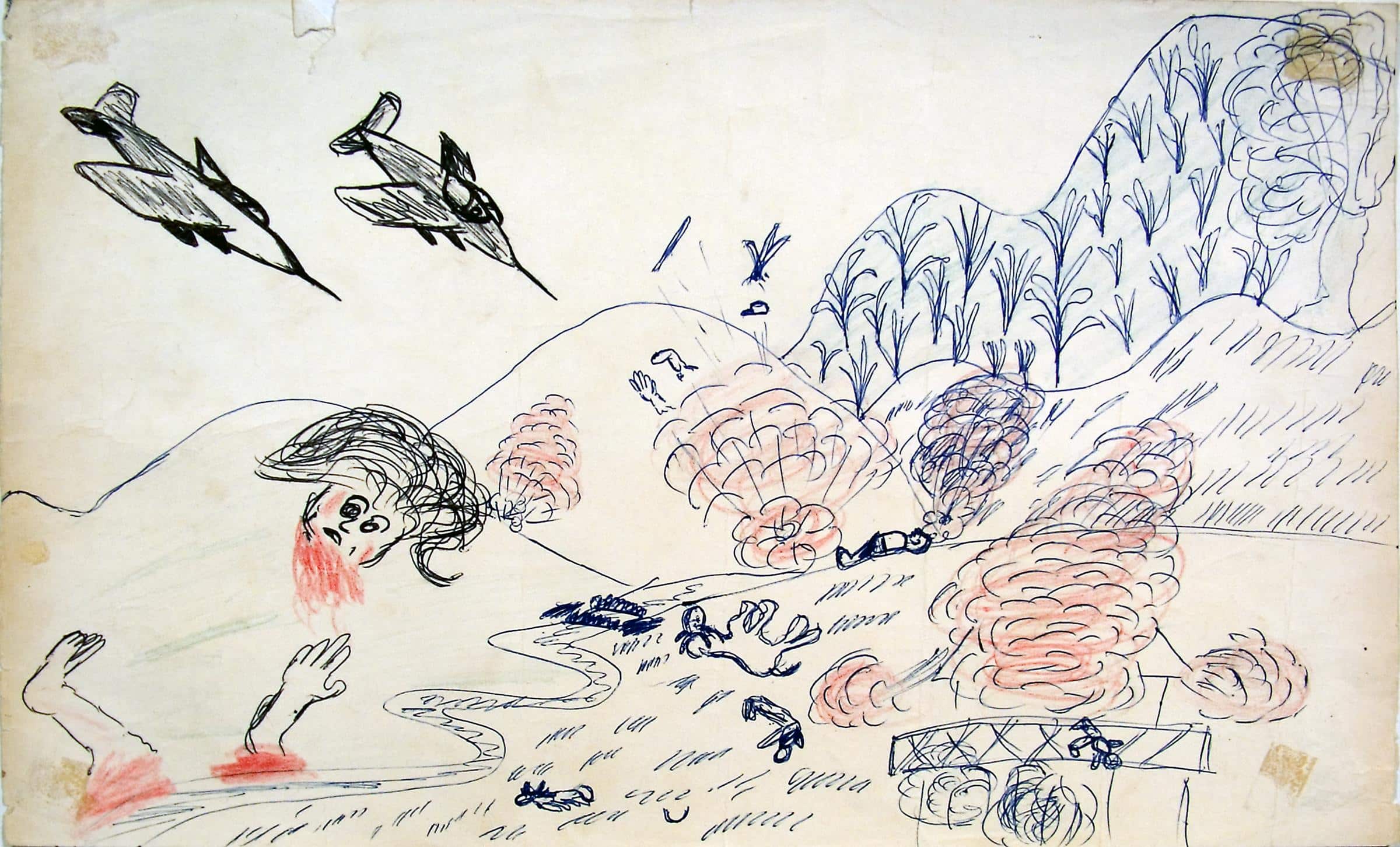
Those firsthand accounts represent, in many ways, the organization’s roots. In fact, it was the recovery of firsthand accounts—pencil and pen drawings that depict bombings, schools burning, chemical ordnance, and even memories from before war—that prompted Khamvongsa to start Legacies of War over 20 years ago. The drawings, Hendrickson says, “are the heartbeat of our organization.”
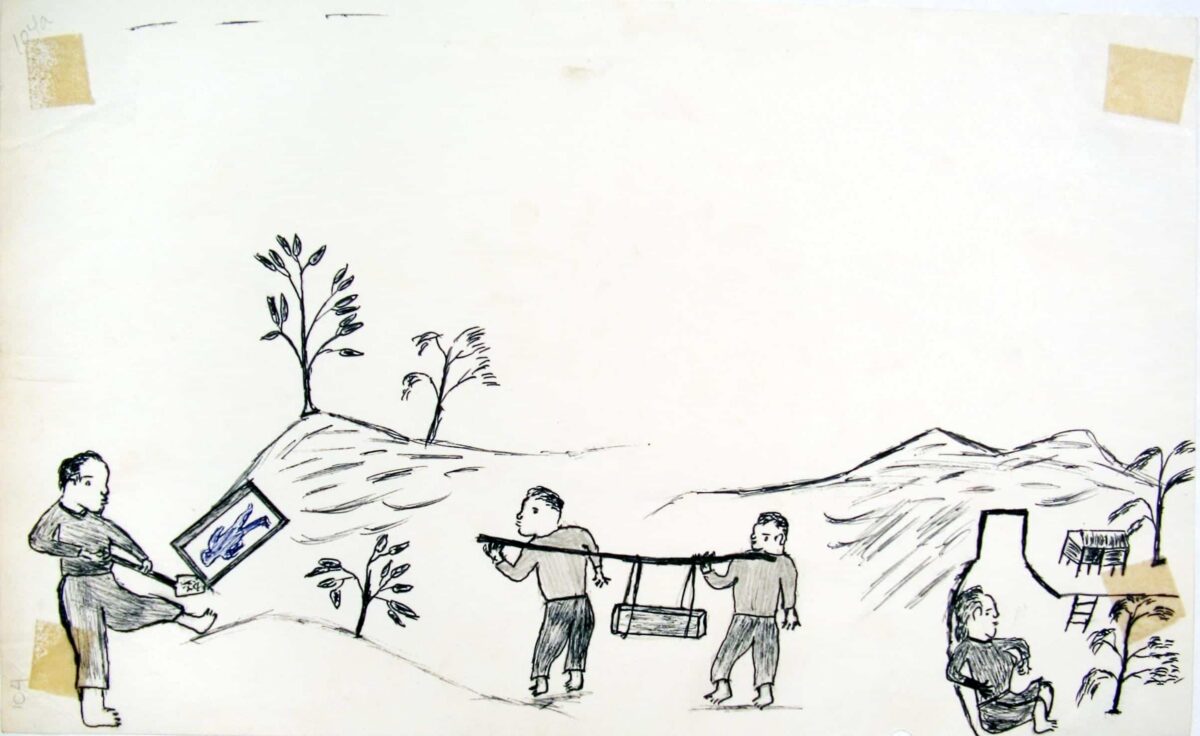
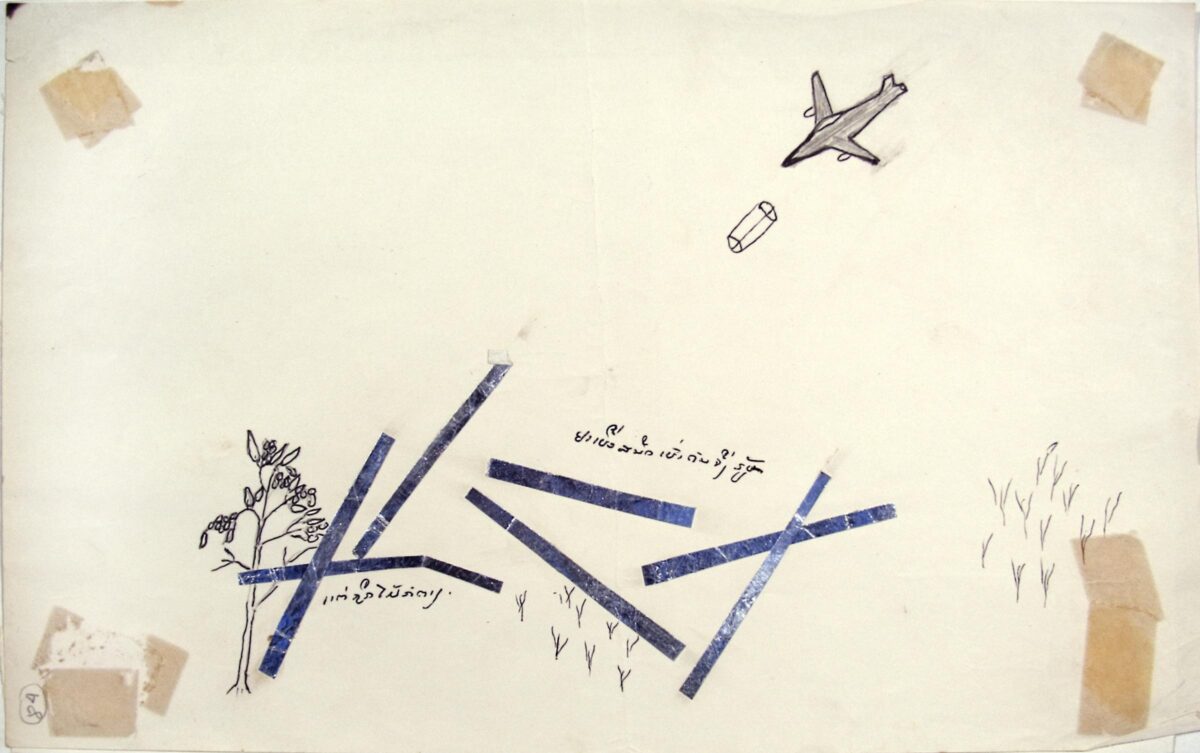
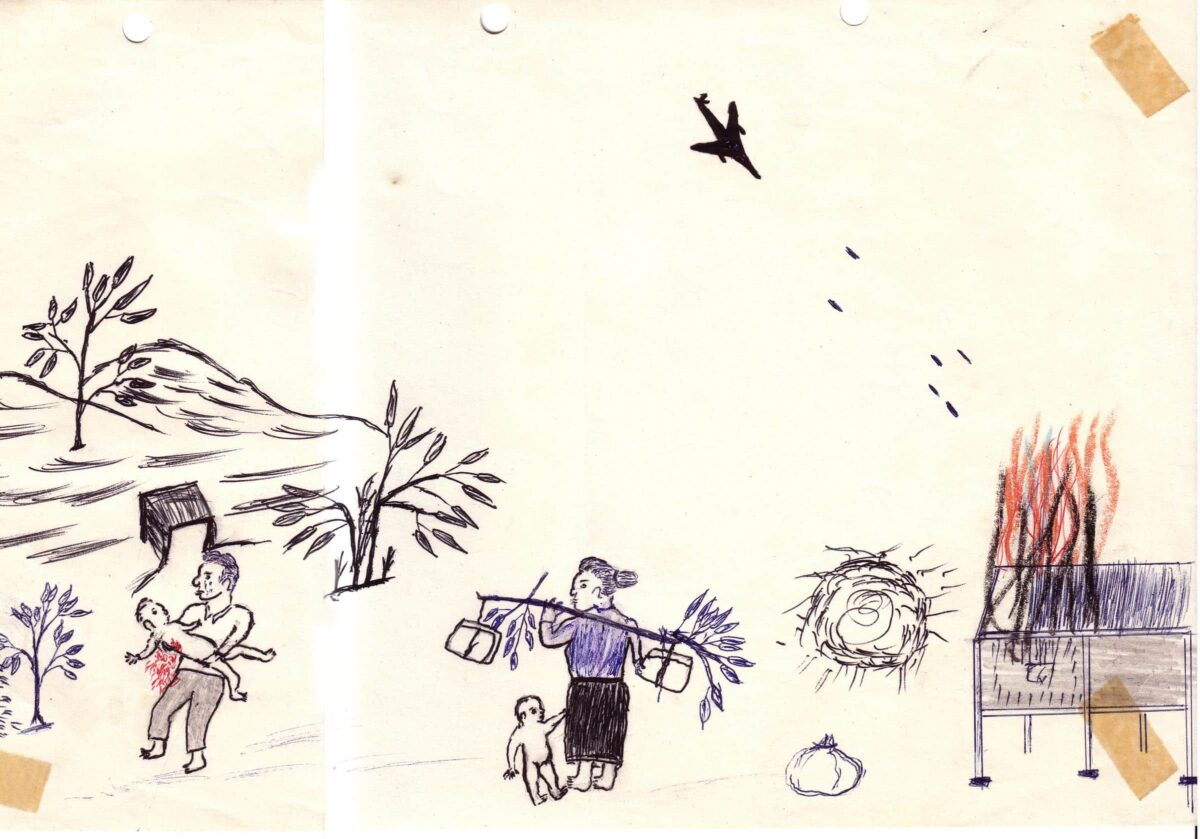
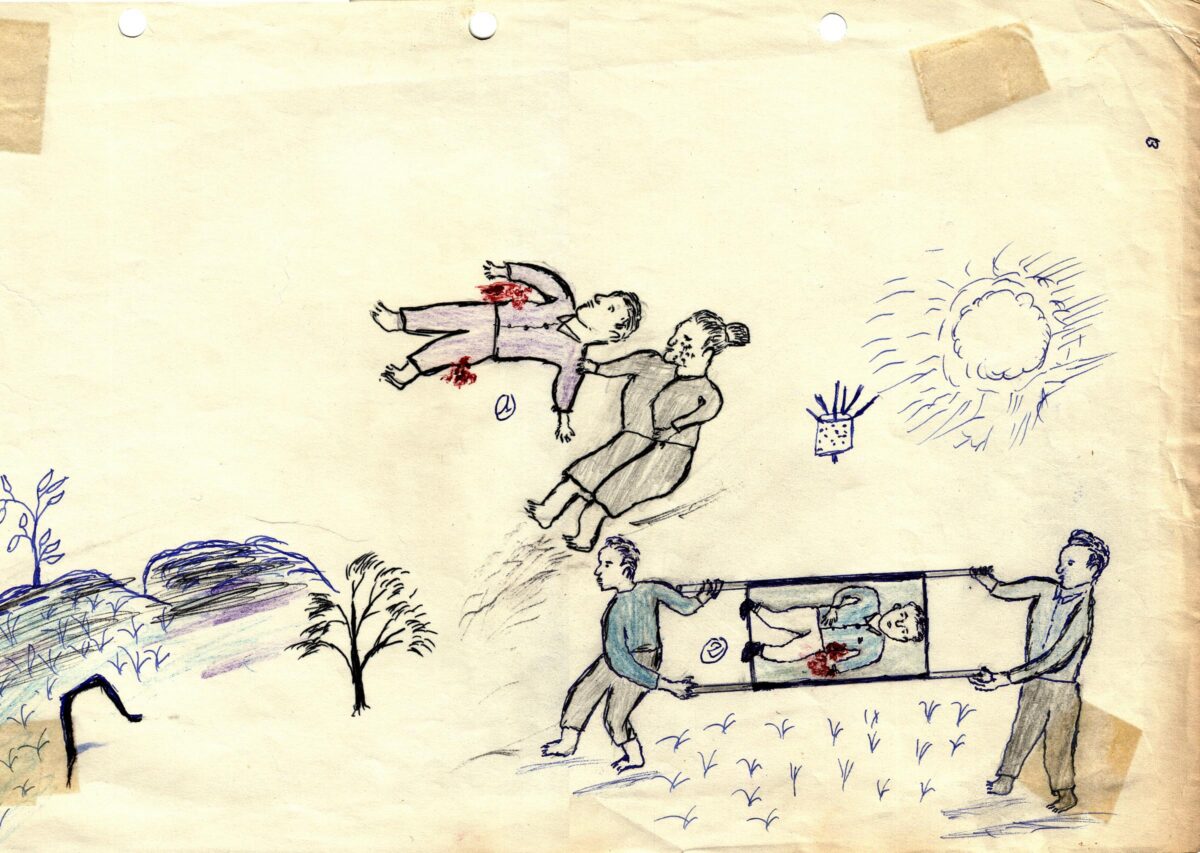
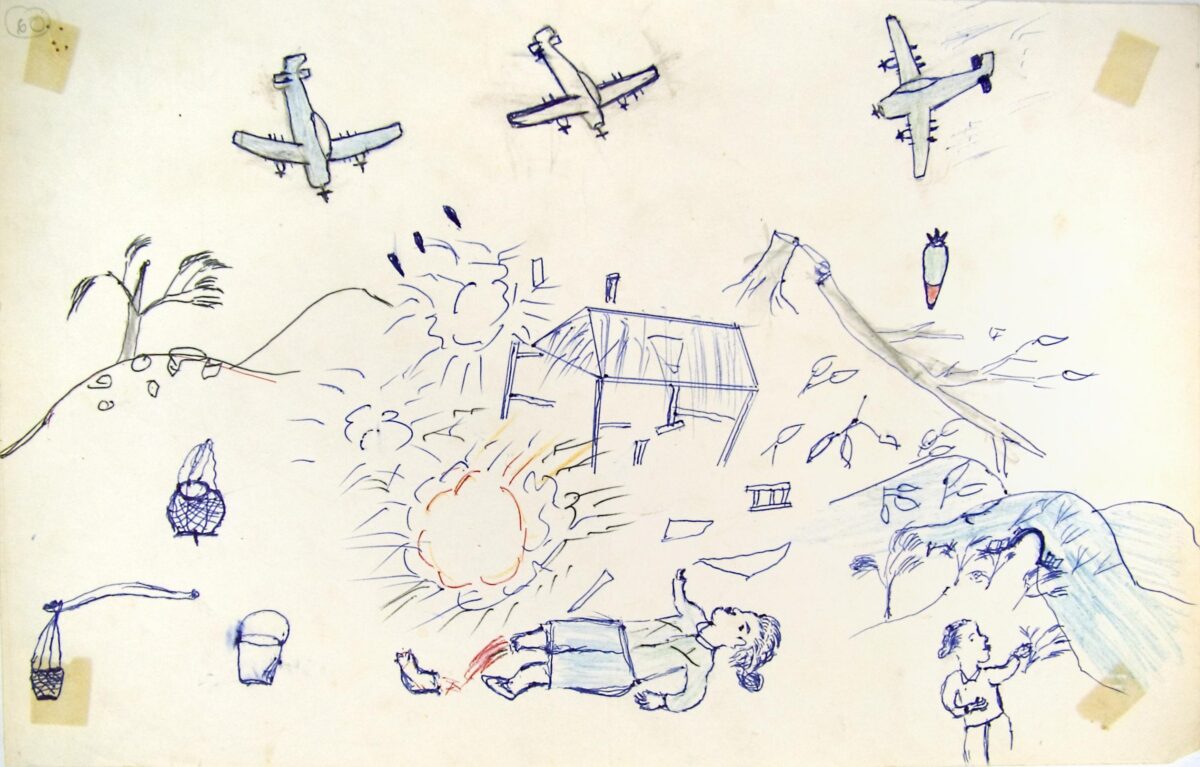
Now, these testimonies exist alongside the stories the organization actively collects. They not only humanize the devastation of war but fill in what otherwise remains unknown about the full scale of destruction. As of early 2026, the US Government had yet to declassify more than a fraction of its photographs and documents related to the Secret War.
The urgency of Legacies of War’s mission has thus hardly diminished. “We don’t know what the future holds,” says Hendrickson, one of only two full-time staff members at the organization today. “It’s been challenging over the last couple of years for many organizations like ours. Funding is never certain.” US humanitarian aid remains precarious, and the organization’s capacity is limited. “The most important thing we can do is to stay focused on this work and continue to grow this movement.”
The work is considerable. Yet Hendrickson echoes founder Khamvongsa’s conviction. As Khamvongsa has said—and as President Obama quoted her that day in Vientiane— “There are many, many problems in this world that might not be able to be solved in a lifetime, but this is one we can fix.”