Good storytelling inspires, enlightens, informs, and offers new perspectives—elevating voices that have been lost to history or misrepresented. Fiction and narrative nonfiction can be used to create vivid snapshots of the past, illuminate the present, and offer cautionary imaginings of what the future may hold. We partnered with The Center for Fiction to develop a book list to complement this edition of Story as Legacy. This list was curated by Allison Escoto, Head Librarian and Director of Reading Programs at The Center for Fiction.
The real people and fictional characters in the books below contend with the violence of war, society, and the natural world, while exemplifying how shared community is foundational for all of our futures.
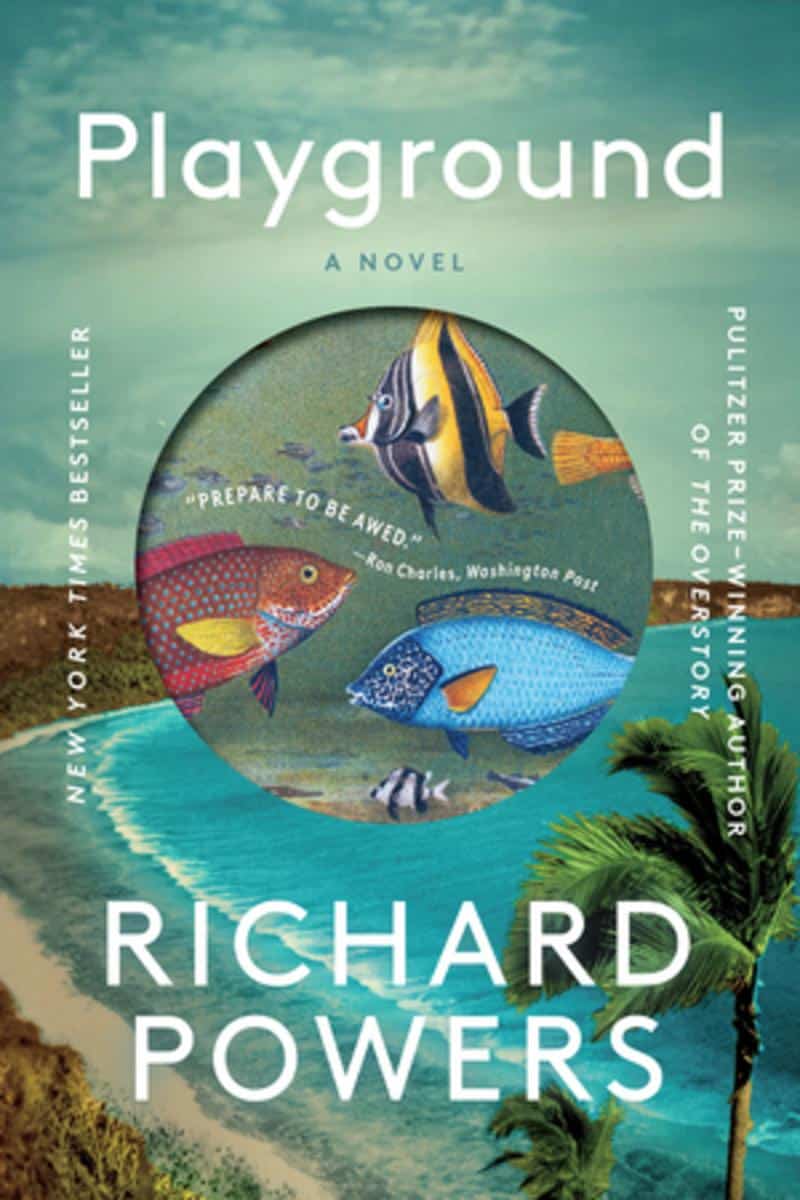
Playground by Richard Powers
Four interconnected characters: 12-year-old Evie Beaulieu, who sinks to the bottom of a swimming pool in Montreal strapped to an aqualung; Ina Aroita, who grows up on naval bases across the Pacific with art as her only home; and Todd and Rafi, two friends at a Chicago high school who share a special bond over a board game before their lives take them in opposite directions. They meet on the history-scarred island of Makatea in French Polynesia, whose deposits of phosphorus once helped to feed the world. Now the island’s residents must contend with investors and inventors who seek to usher in humanity’s next phase. This novel questions the age-old tension between technology and its detrimental effects on nature, and what power truly means in the hands of the few versus a community.
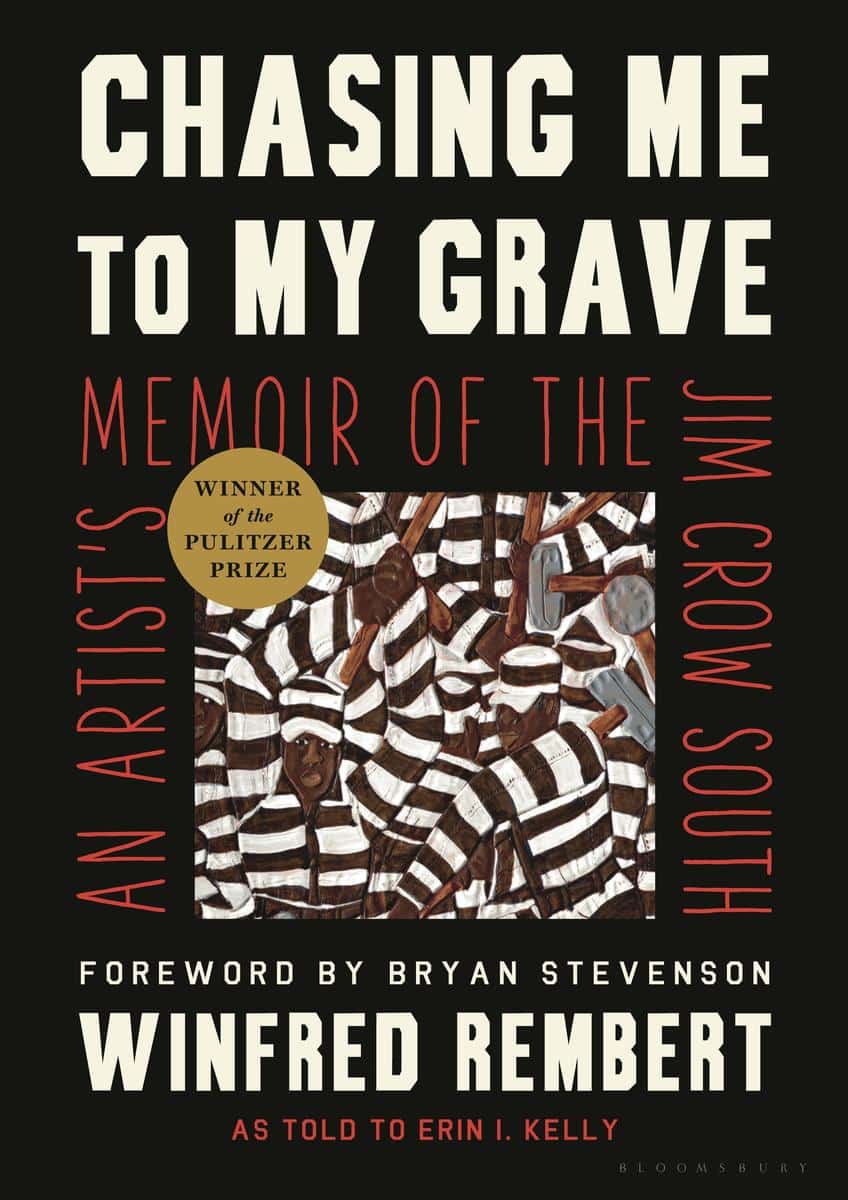 Chasing Me to My Grave: An Artist’s Memoir of the Jim Crow South by Winfred Rembert, as told to Erin I. Kelly
This illustrated biography of the late artist Winfred Rembert (1945 – 2021) traverses his early years as a field laborer on a cotton plantation and his teenage years as a member of the Civil Rights Movement, through his years-long imprisonment on a chain gang after surviving a lynching attempt, and beyond. While imprisoned, Rembert began using his newfound skills to paint scenes from his youth. Through his art, Rembert not only illustrated the seemingly insurmountable challenges he faced but also how the love and care of his community in Cuthbert, Georgia, sustained him and helped him develop a unique body of work. This biography is a stunning work that shows how pain and adversity can be transformed into an artistic legacy.
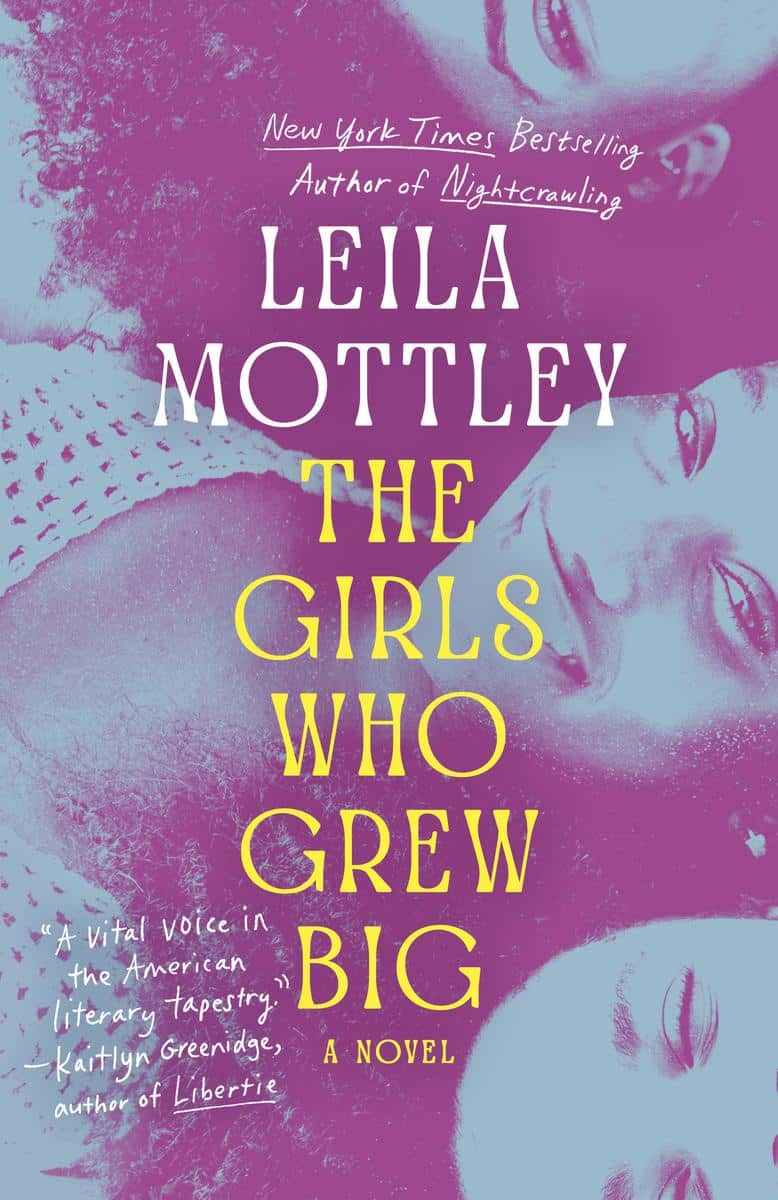 The Girls Who Grew Big by Leila Mottley
“I’ll put it this way: teen moms, like Florida, are the country’s favorite scapegoat.” Sixteen-year-old Simone, one of the protagonists in Mottley’s compelling novel, makes this observation after giving birth to twins in the backseat of her wayward boyfriend’s truck. It is a portentous remark, one that leads Simone to form a network of support and mutual aid in her small Florida panhandle town, Padua Beach. Emory and the newly arrived Adela—the other young mothers in Simone’s group—have their own distinct experiences of teen motherhood, told in alternating points of view. Mottley is an expressive writer whose work shines in this uplifting tale of first love, motherhood, alienation, and vulnerability.
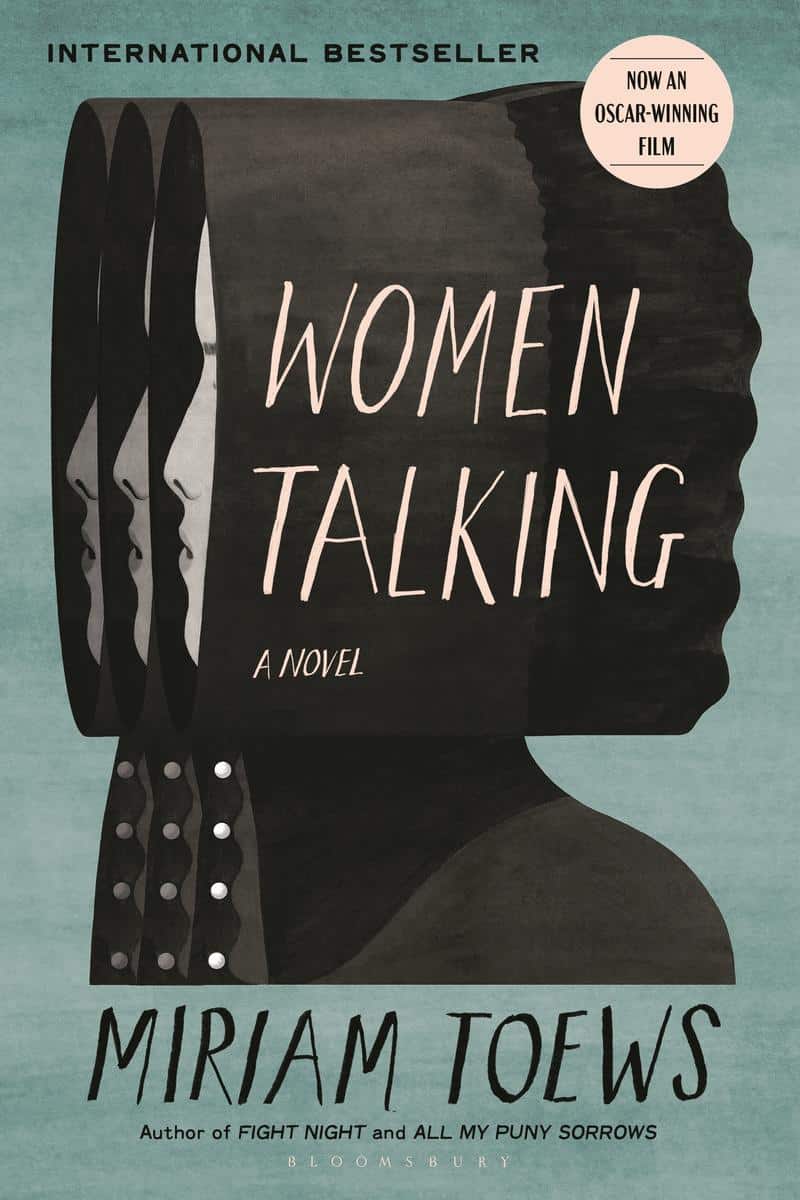 Women Talking by Miriam Toews
This startling, absorbing novel is a story of survival and strength based on true events. After learning that the men in their community have drugged and attacked more than a hundred of their peers, eight Mennonite women meet in secret to decide whether to escape to a place beyond their colony or remain in the only world they have ever known. Toewes’s novel asks urgent questions about what we owe ourselves and each other, and what sacrifices must be made in the pursuit of justice.
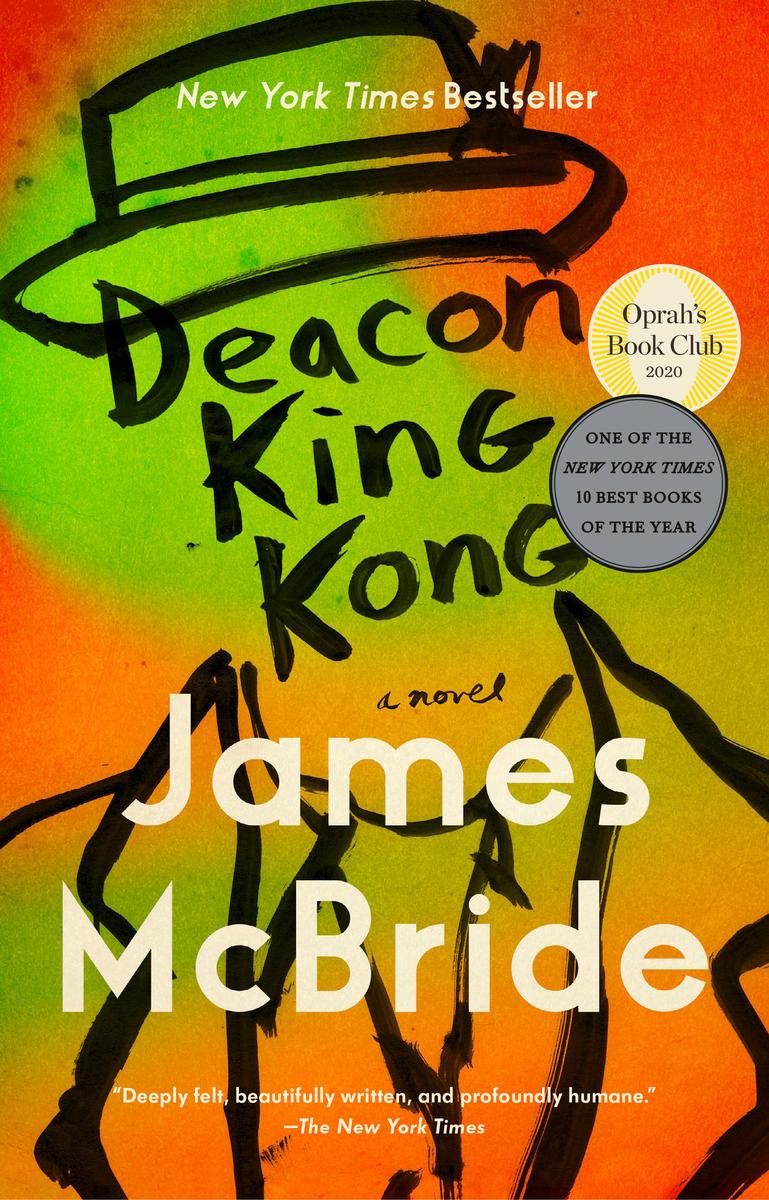
Deacon King Kong by James McBride
In the aftermath of a 1969 Brooklyn church deacon’s public shooting of a local drug dealer, the African-American and Latinx witnesses find unexpected support in one another as they are targeted by violent mobsters. The vivid, dynamic cast of characters that inhabits this story is unforgettable. The world of the Cause Houses housing project in Brooklyn—and the stories within it—reveals the strength and resilience of those who call it home.
Watch: Actor Ethan Hawke presents author and screenwriter James McBride and Showtime Networks executive Vinnie Malhotra with The Center for Fiction’s 2020 On Screen Award for “The Good Lord Bird.”
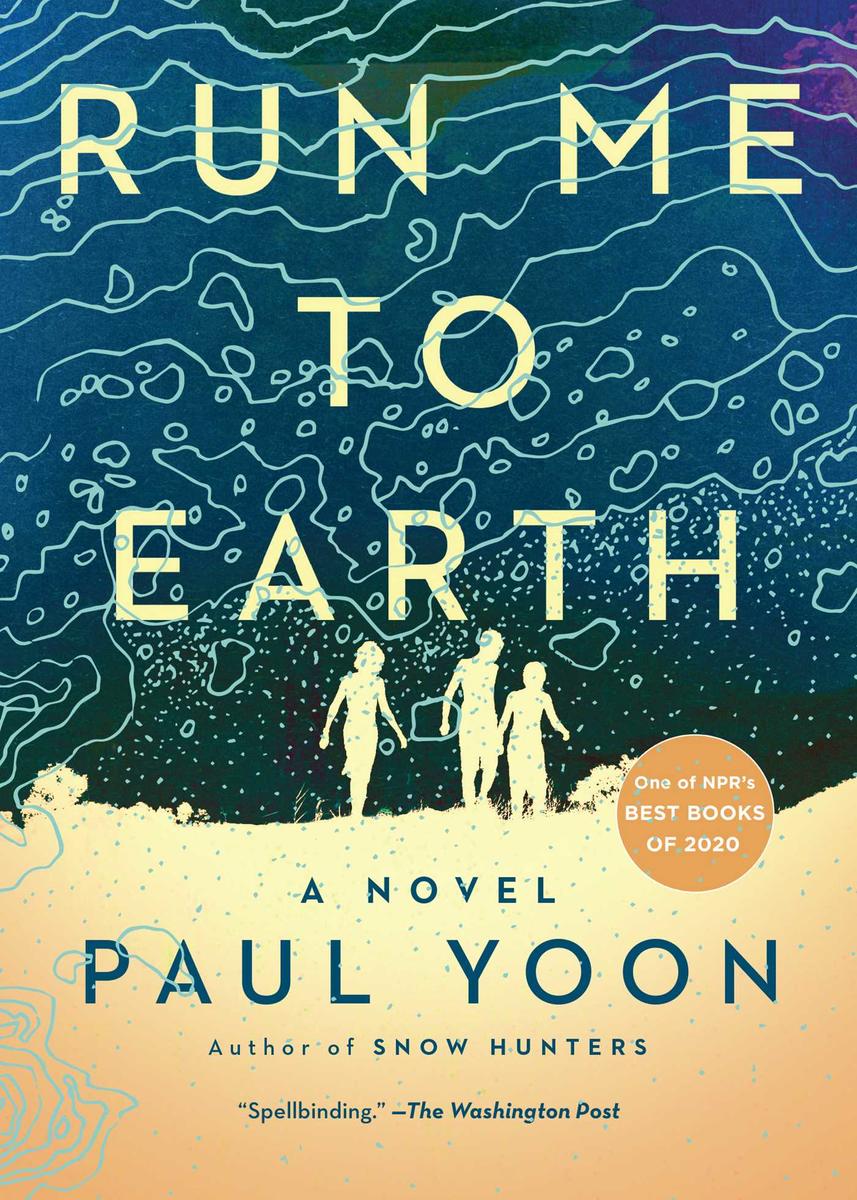 Run Me to Earth by Paul Yoon
Three homeless orphans—Alisak, Prany, and Noi—take shelter in a bombed-out field hospital in 1960s Laos. After being recruited to help deliver medical supplies for a doctor working in the makeshift hospital, the teenagers must navigate treacherous territory, rife with unexploded weapons at every turn. Yoon’s novel examines the Vietnam War from the perspective of those left to confront the havoc wrought by forces beyond their control, and how circumstances forge bonds of solidarity and survival.
Salvage the Bones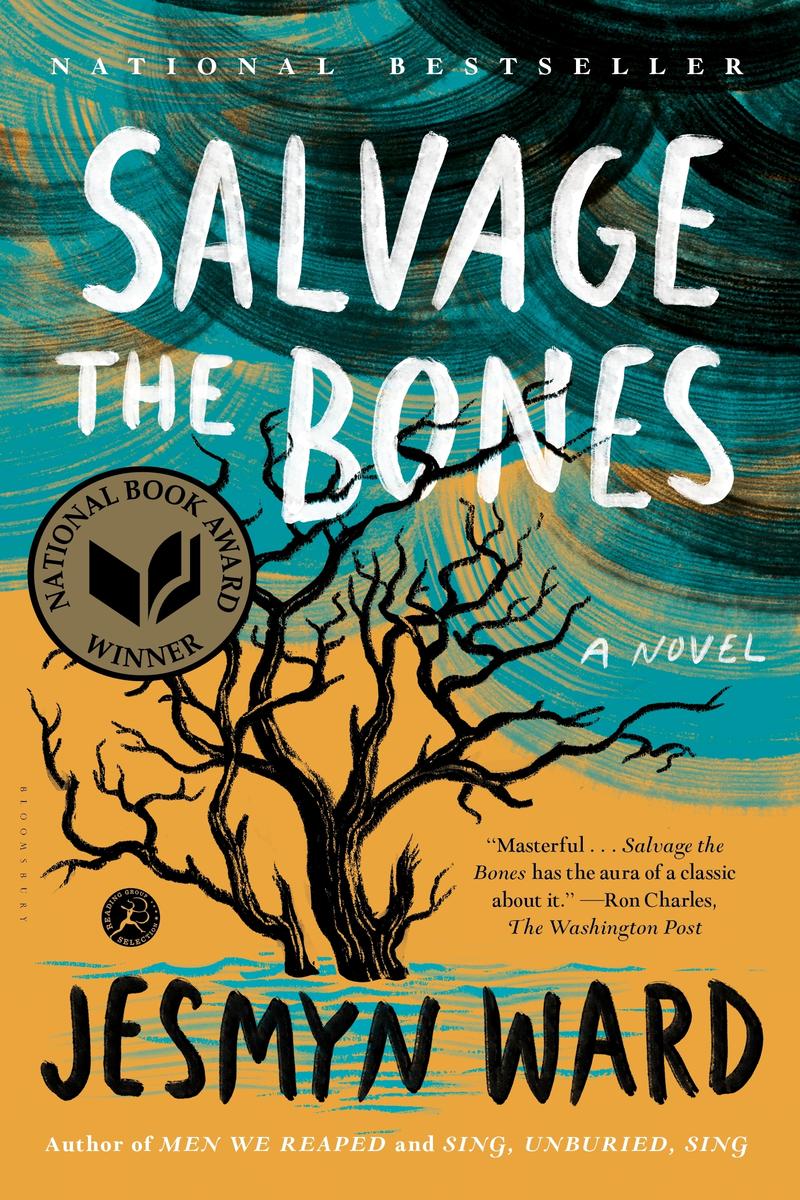 by Jesmyn Ward
Ward’s evocative novel follows four siblings from a coastal Mississippi town during the advent and aftermath of Hurricane Katrina. Spanning just over a dozen days, this unforgettable story depicts a family’s resilience in the face of societal precarity, intergenerational trauma, and natural disaster.
Watch: Jesmyn Ward presents her editor, Kathryn Belden, with The Center for Fiction 2024 Medal for Editorial Excellence.