In 1969, the same summer as Woodstock and the Stonewall Rebellion, Charles Leslie and Fritz Lohman opened their SoHo loft to the public for the first time—displaying their collection of gay and homoerotic art. The response was immediate. It was clear from the beginning that the art—and community—needed a home.
The first exhibition attended by 200 people snowballed into a nationally renowned museum attended by 11,000 people annually.
Throughout the 1970’s, Leslie and Lohman continued to expand their collection of gay art as a hobby. But when the AIDS epidemic arrived, what had been a lifelong passion became something closer to a mission. Artists across the city were dying, and their surviving work was often destroyed by families who didn’t know what to do with it—or didn’t want to acknowledge it existed. Leslie and Lohman began collecting with a new urgency. They were no longer curators but preservers of endangered legacies.
The Leslie-Lohman Gay Art Foundation was established as a nonprofit in 1990, becoming the first 501(c)(3) in the United States with the word “gay” in its name, a distinction that required years of hard-fought legal and bureaucratic effort. Museum accreditation followed in 2016, almost fifty years after that first SoHo exhibition. The five-decade delay had consequences: Institutions of comparable scope typically receive sustained fiduciary support tied to accreditation. For Leslie-Lohman, the decades without accreditation meant that while many artworks were saved, there was little capacity for record-keeping.
The museum’s current staff inherited five storage units of 30,000 objects, many of which were unmarked or mislabeled. Many more arrived without provenance, without artist biographies, or without any paper trail at all. To call the situation an archival challenge understates it.
“Who wants to fund people opening storage boxes? How…unsexy.”
The Work
A major grant from Henry Luce Foundation’s American Art Program enabled Leslie-Lohman to begin a sustained, multi-phase effort to catalog, digitize, and contextualize the collection—a process the museum’s staff describes as an excavation as much as an archive project. The work unfolds in three stages:
Accessing: Much of the collection is held offsite in climate-controlled facilities upstate. Coordinating transportation, trained art handlers, and access protocols means that retrieving even a single piece can cost upwards of $1,000.
Photographing: Each piece must be documented through high-resolution photography, a technically demanding process given a collection that ranges from handheld items to mural-scale works.
Cataloging: For every object, a digital record must be built, often from scratch. Many of the artists in the collection have little to no existing scholarship. Building accurate histories around them is slow, investigative work that requires the same methods as original research.
“About fifty percent of the time, I would Google an artist, and nothing would come up.”
What the Archive Revealed
The excavation has already produced findings that matter—not only to scholars but to the broader question of whose work gets counted as art history.
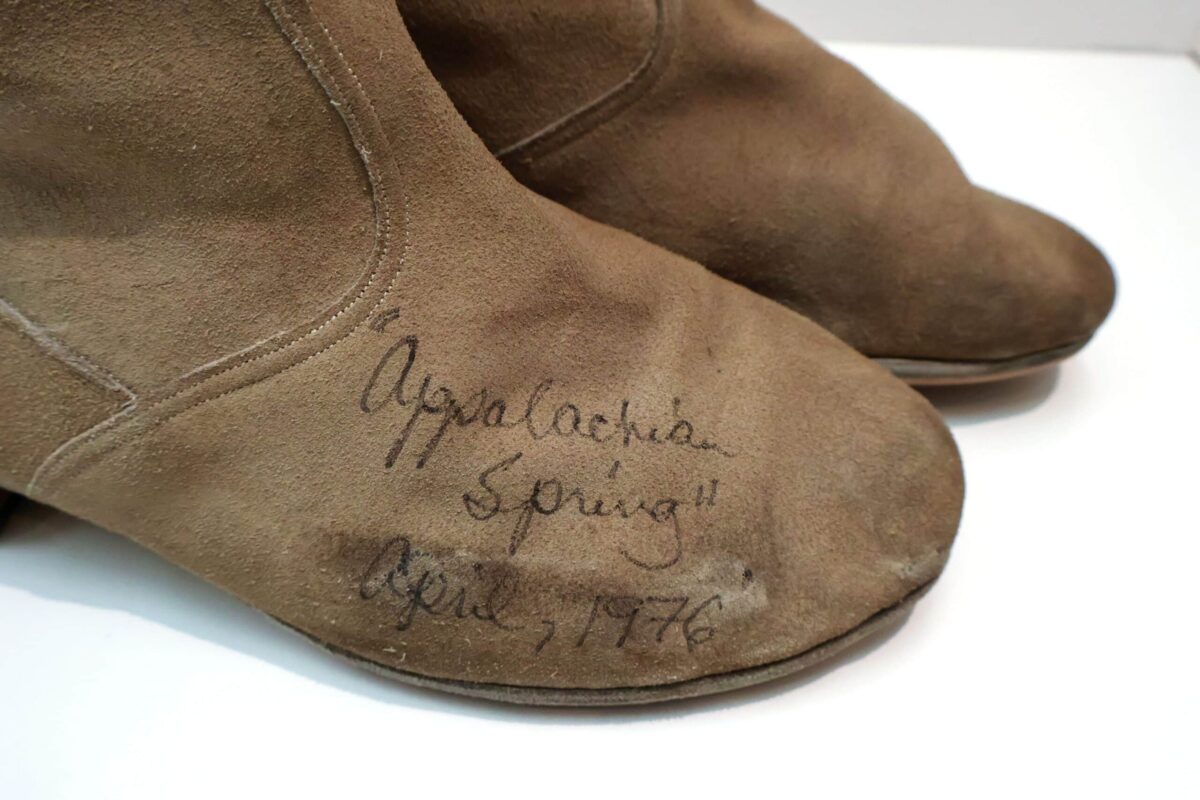
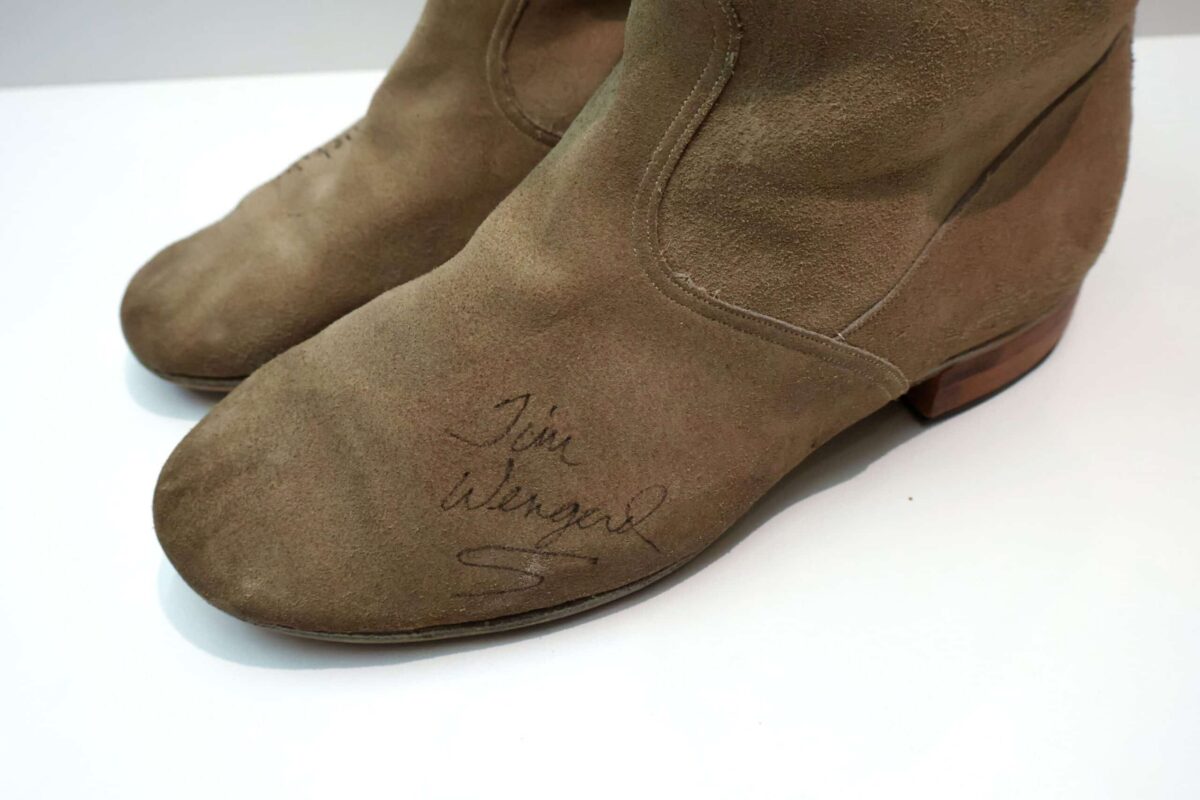
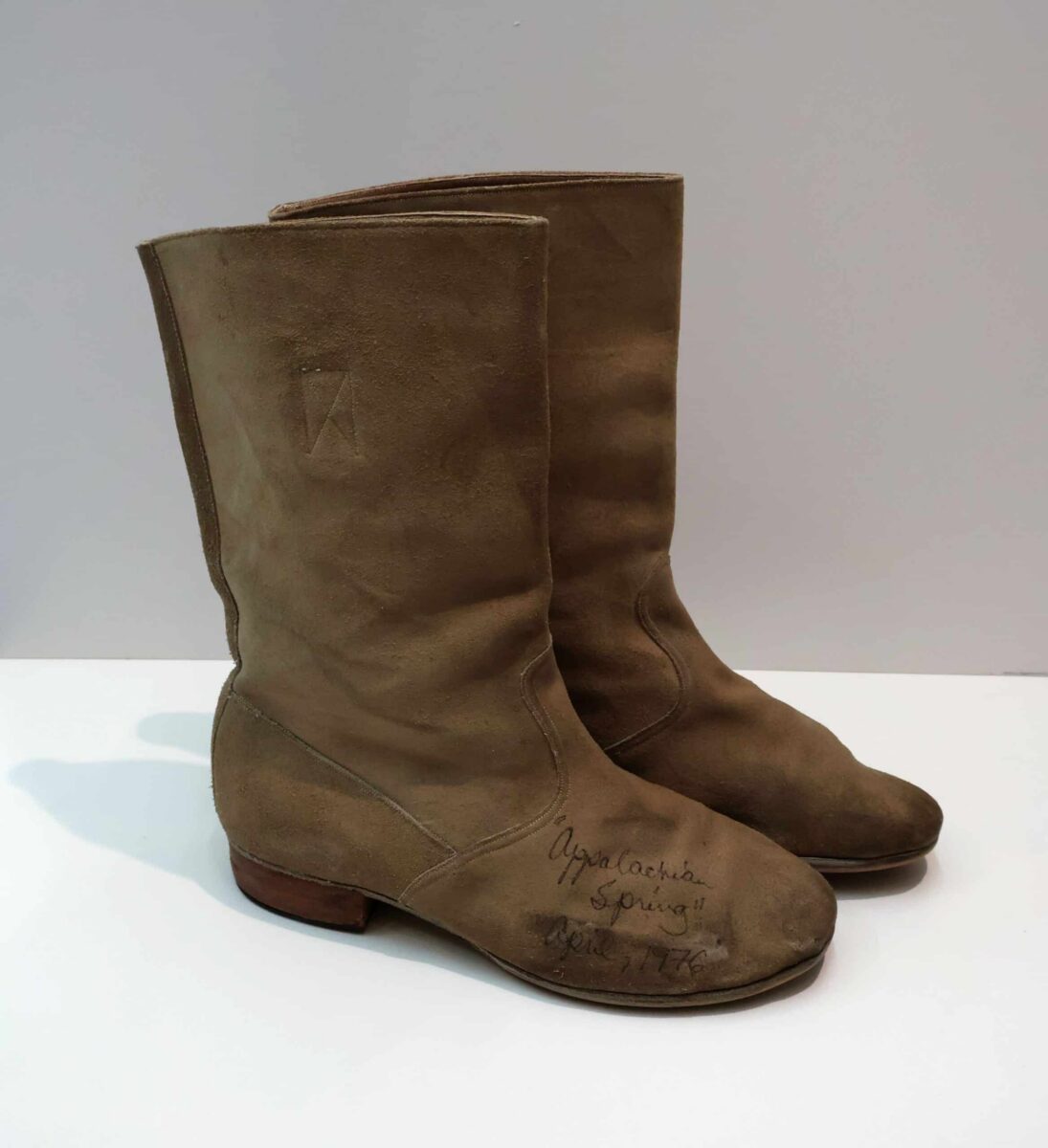
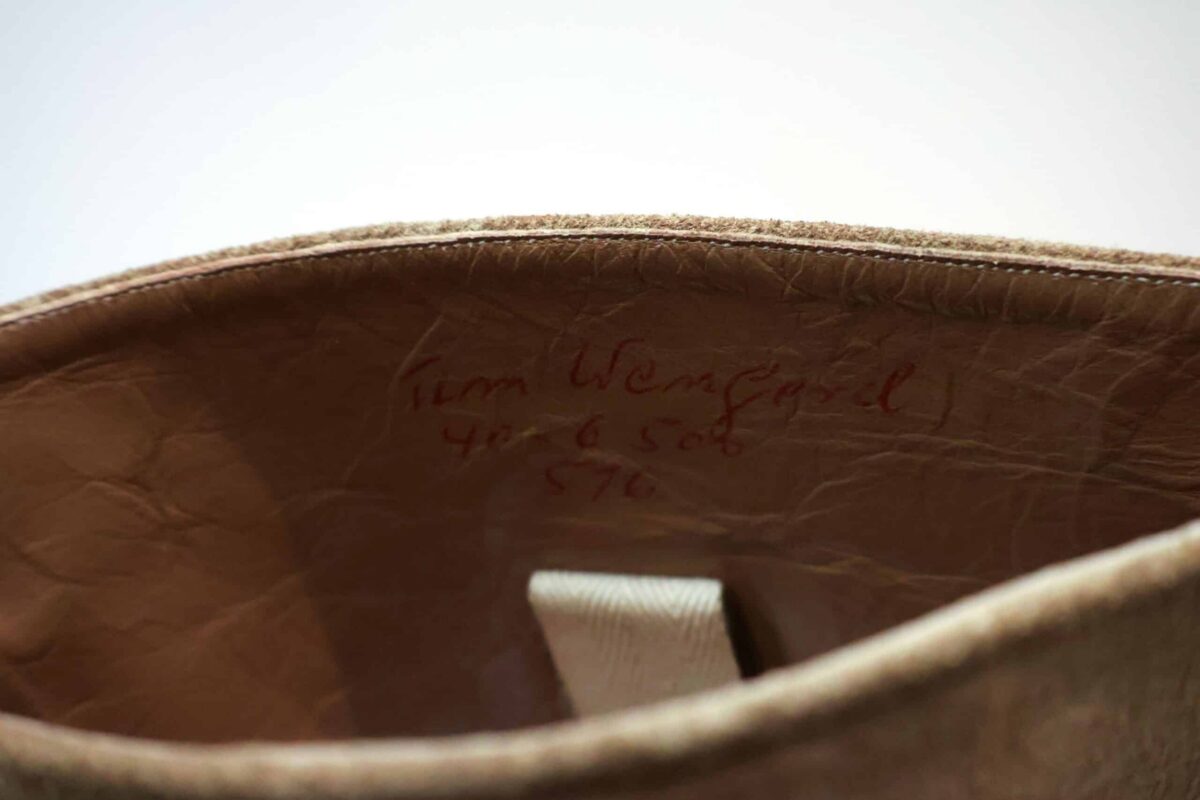
Martha Graham’s Appalachian Spring: When Judy Giera first opened the box, her instinct was practical. “Anybody want some shoes?” A pair of boots, unlabeled, in storage. Then someone looked closer. Research revealed that the boots had been worn in the original performance of Martha Graham’s Appalachian Spring—one of the defining works of American modern dance, a piece that itself conjured a new world from the ground up. The team wanted the shoes.
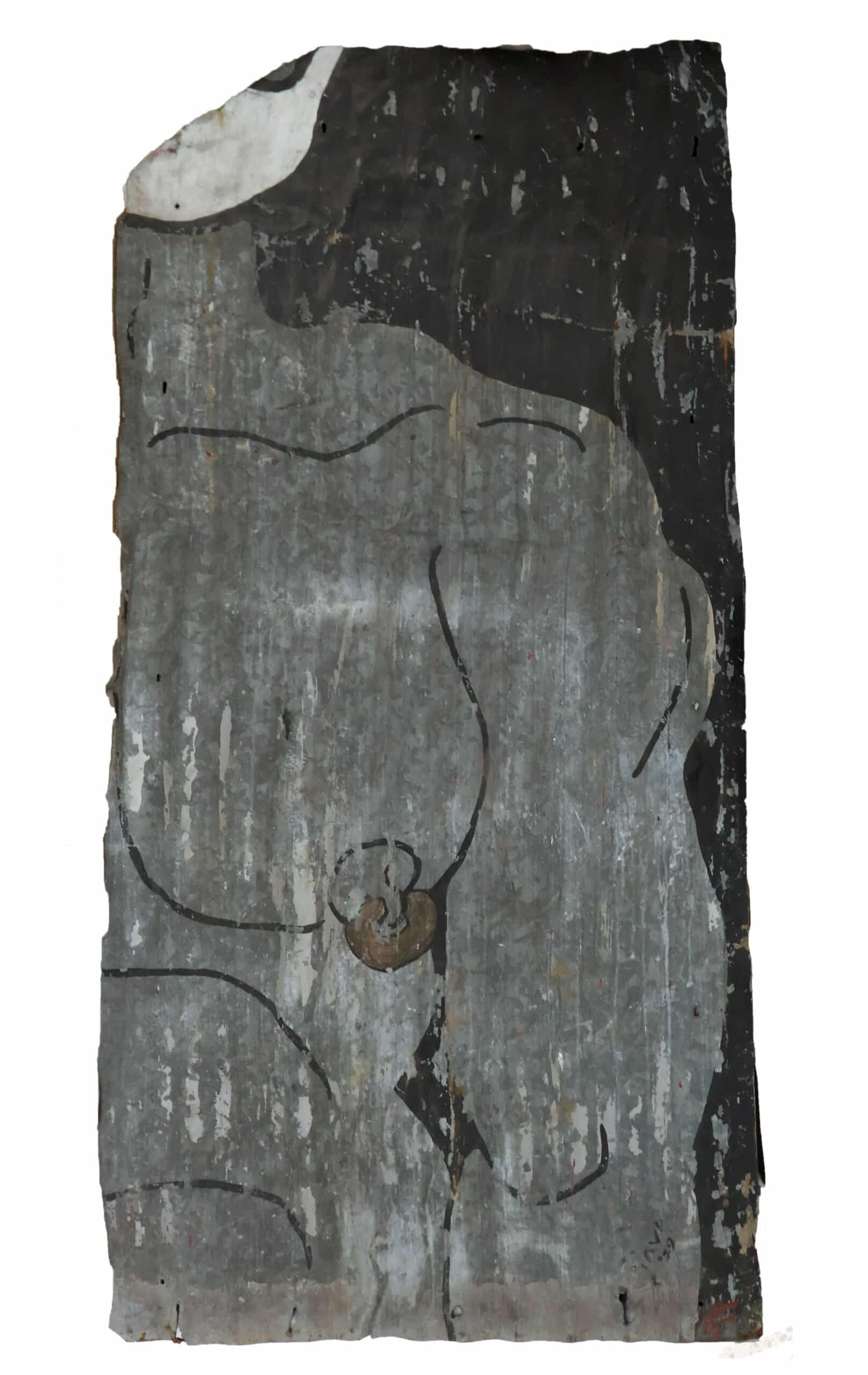
Tava (aka Gustav von Will), “Untitled Mural Fragment from the West Side Piers,” c. 1979, paint on corrugated tin, 67 3/4 x 34 3/4 in, gift of Vincent Parrillo, Christian Jon Parrillo, Steven Doitteau and their families, permanent collection of Leslie-Lohman Museum of Art, 2015.683.4
Gustav Von Will/Tava: An Austrian-born artist and muralist who was active in the 1970s New York City gay scene, Von Will, known as Tava, created large-scale environmental works on the abandoned Hudson River piers in Greenwich Village, a clandestine queer art space before it was demolished. These photographs by Yves Cao are the first and, in some cases, only of his work ever taken.
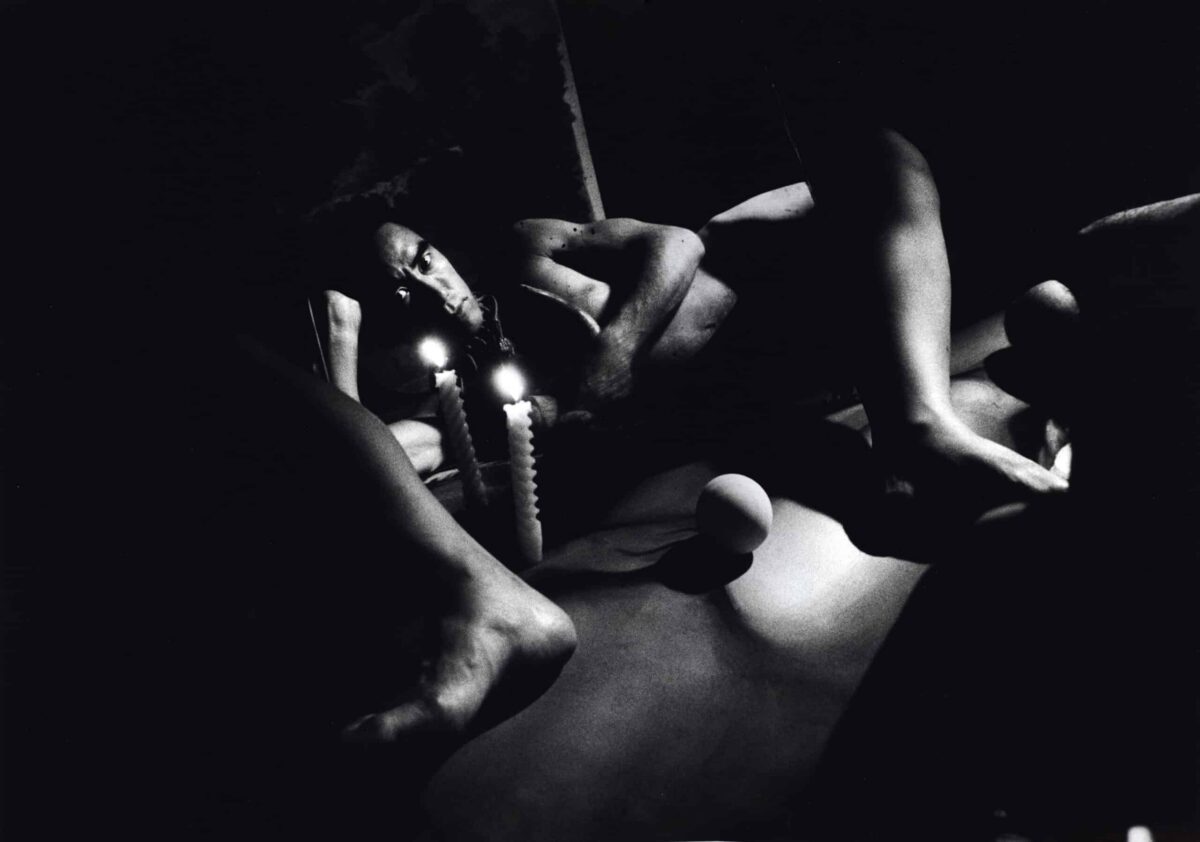
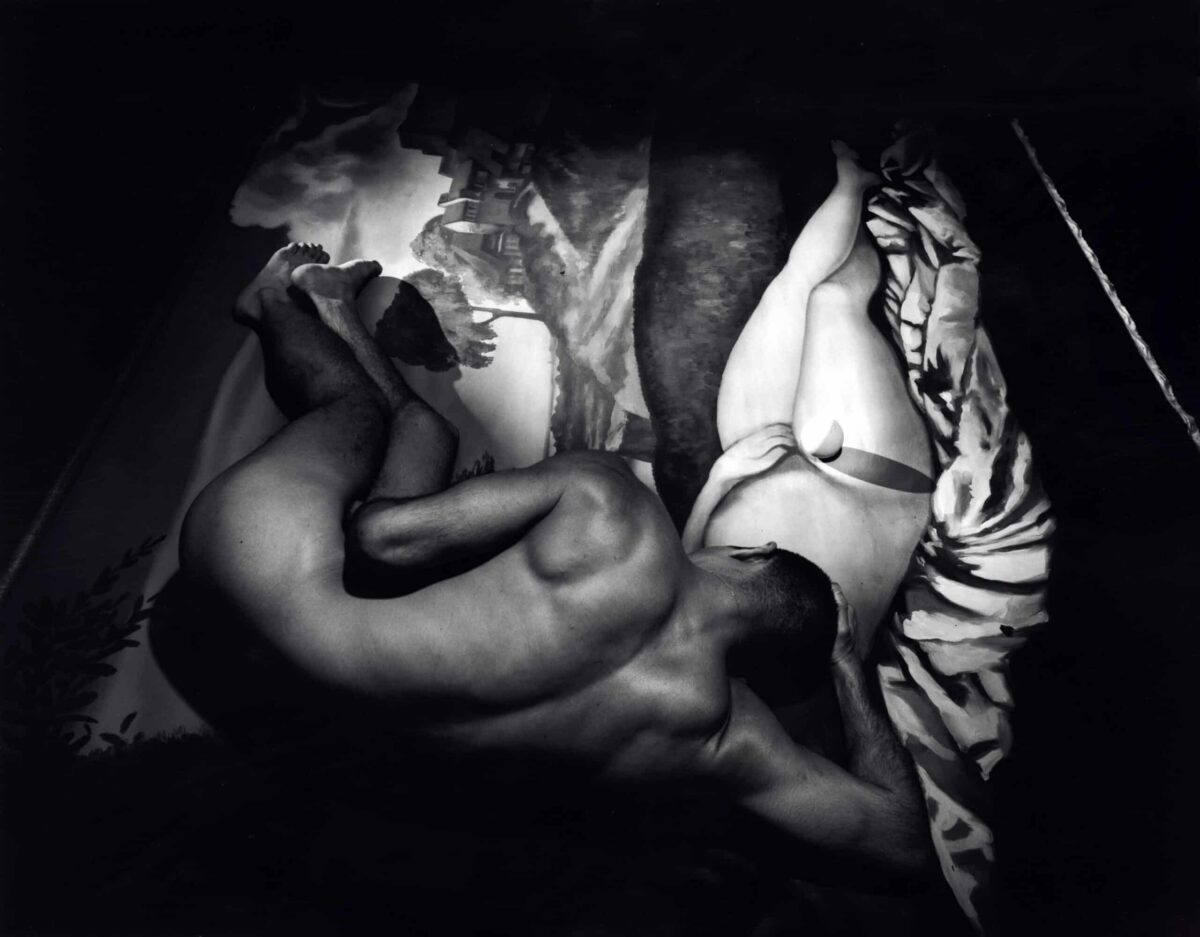
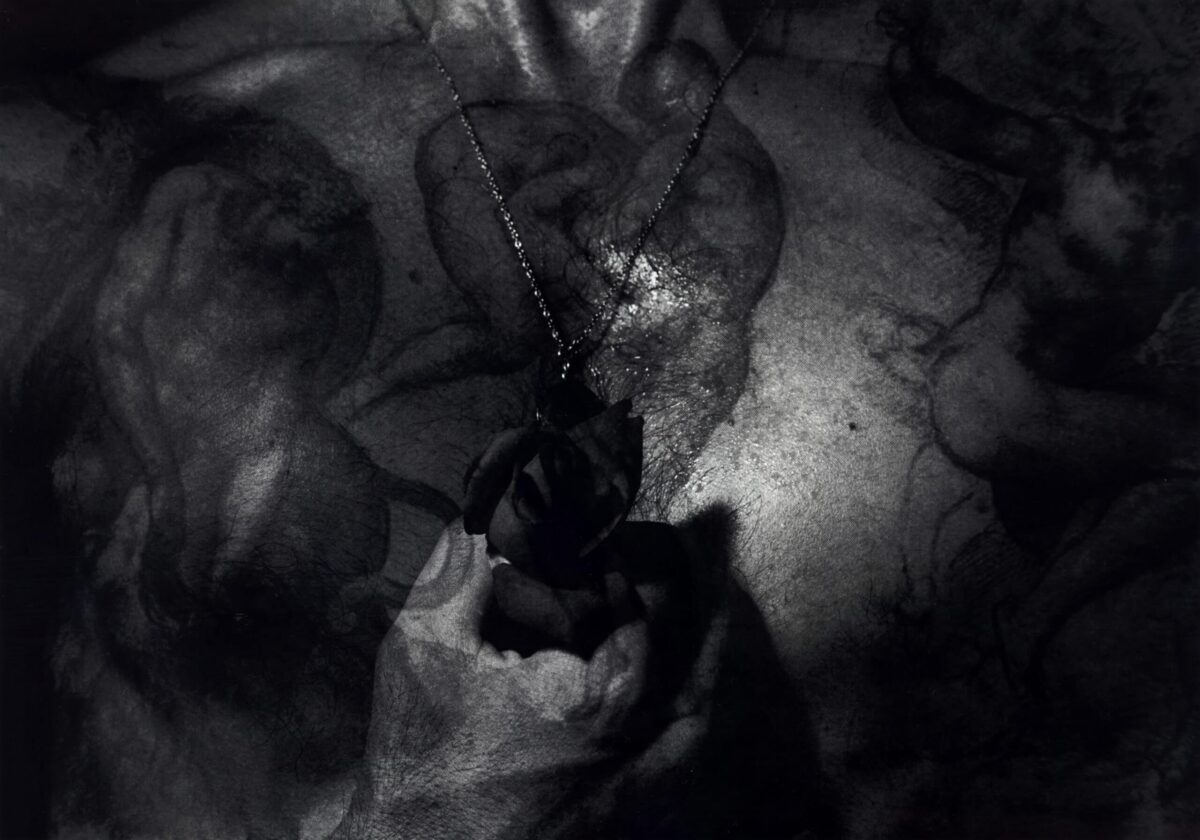
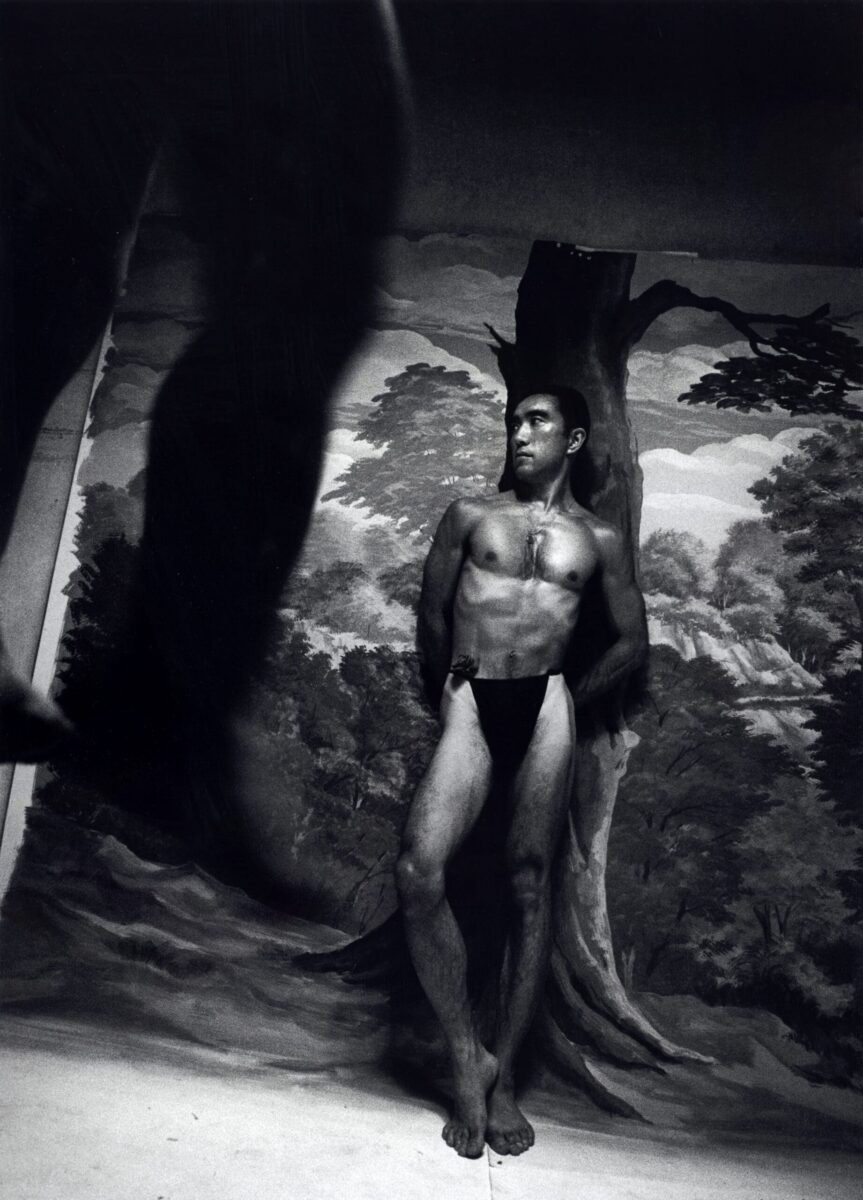
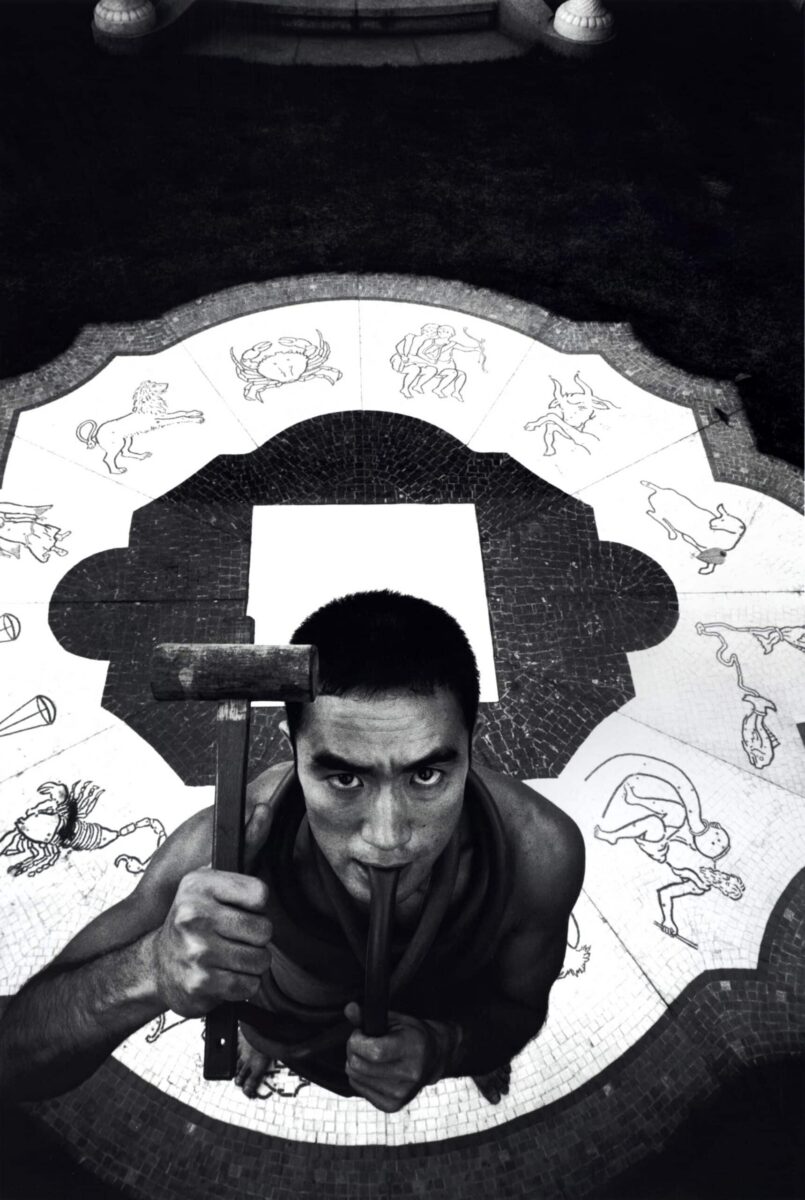
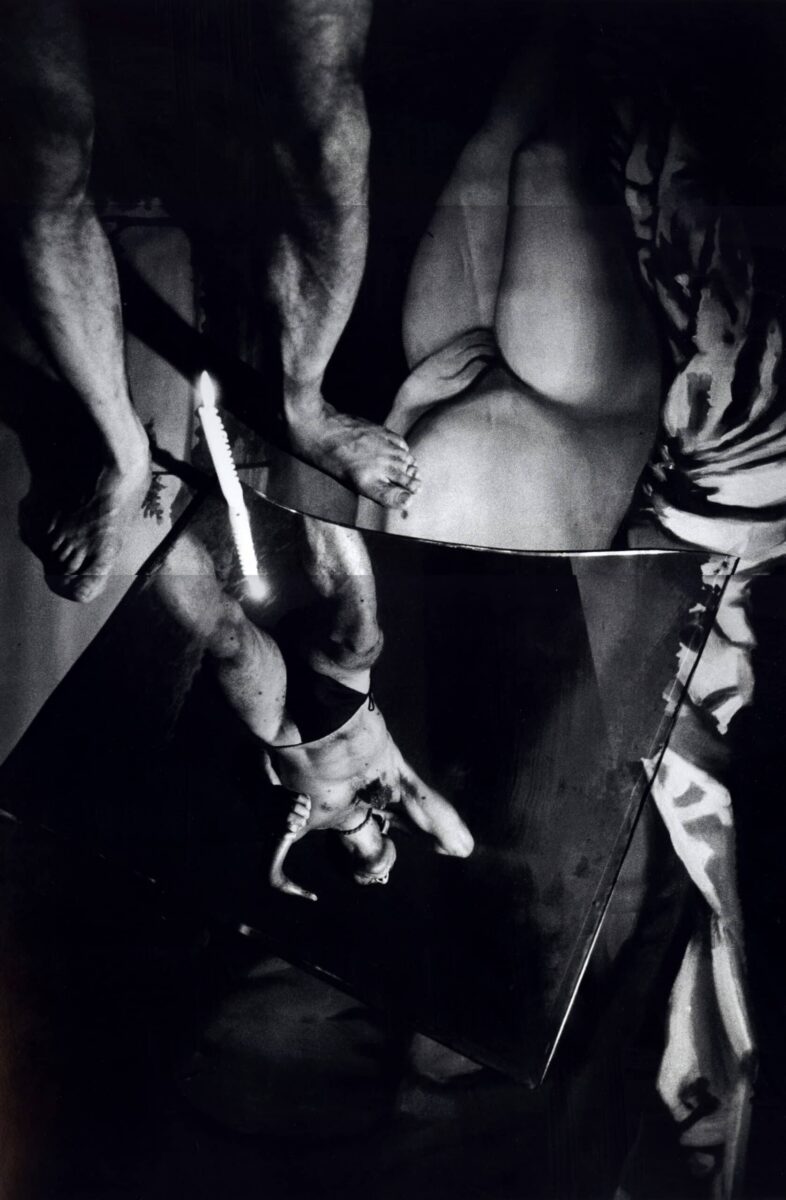
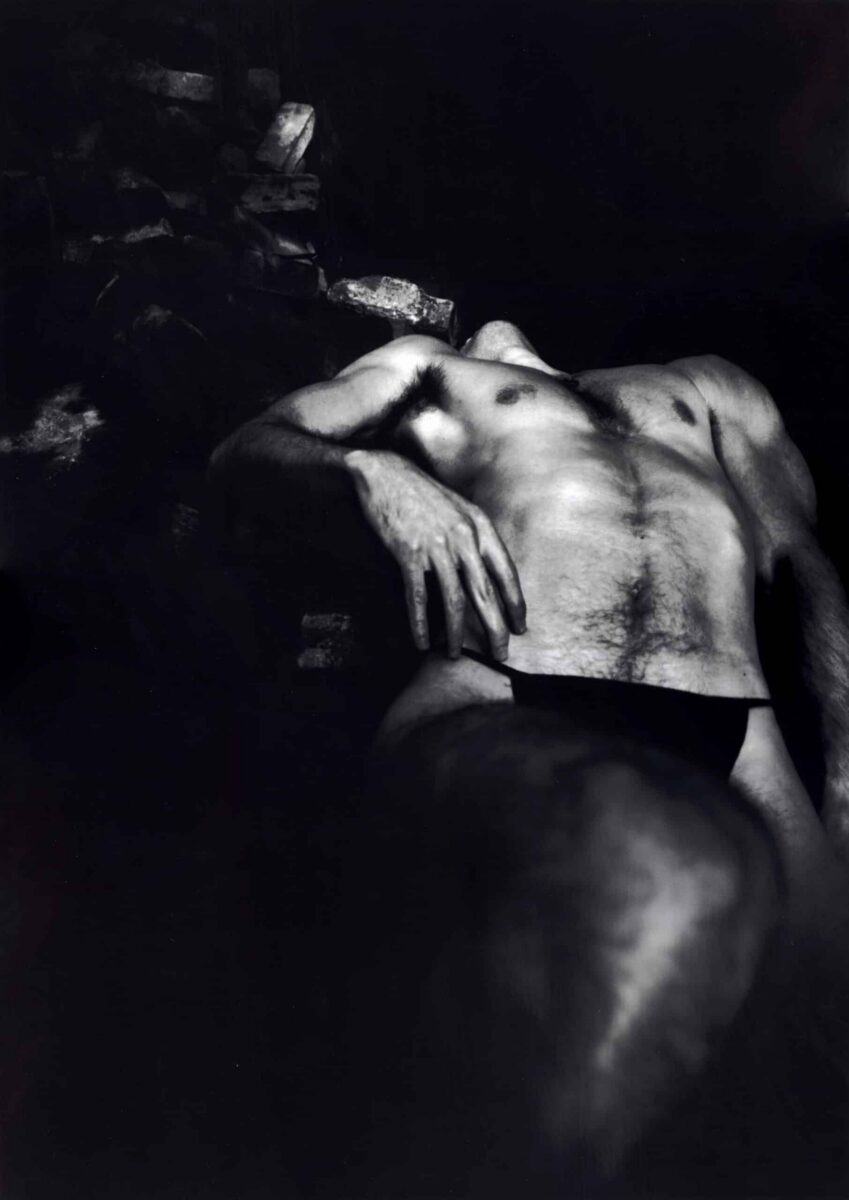
Eikoh Hosoe: These stills by the famous post-war Japanese photographer and filmmaker Eikoh Hosoe were known to be somewhere in the Leslie-Lohman collection, but their exact location was unknown. Hosoe’s black-and-white imagery—stark, psychologically charged, exploring eroticism, death and obsession—is now fully located and documented.
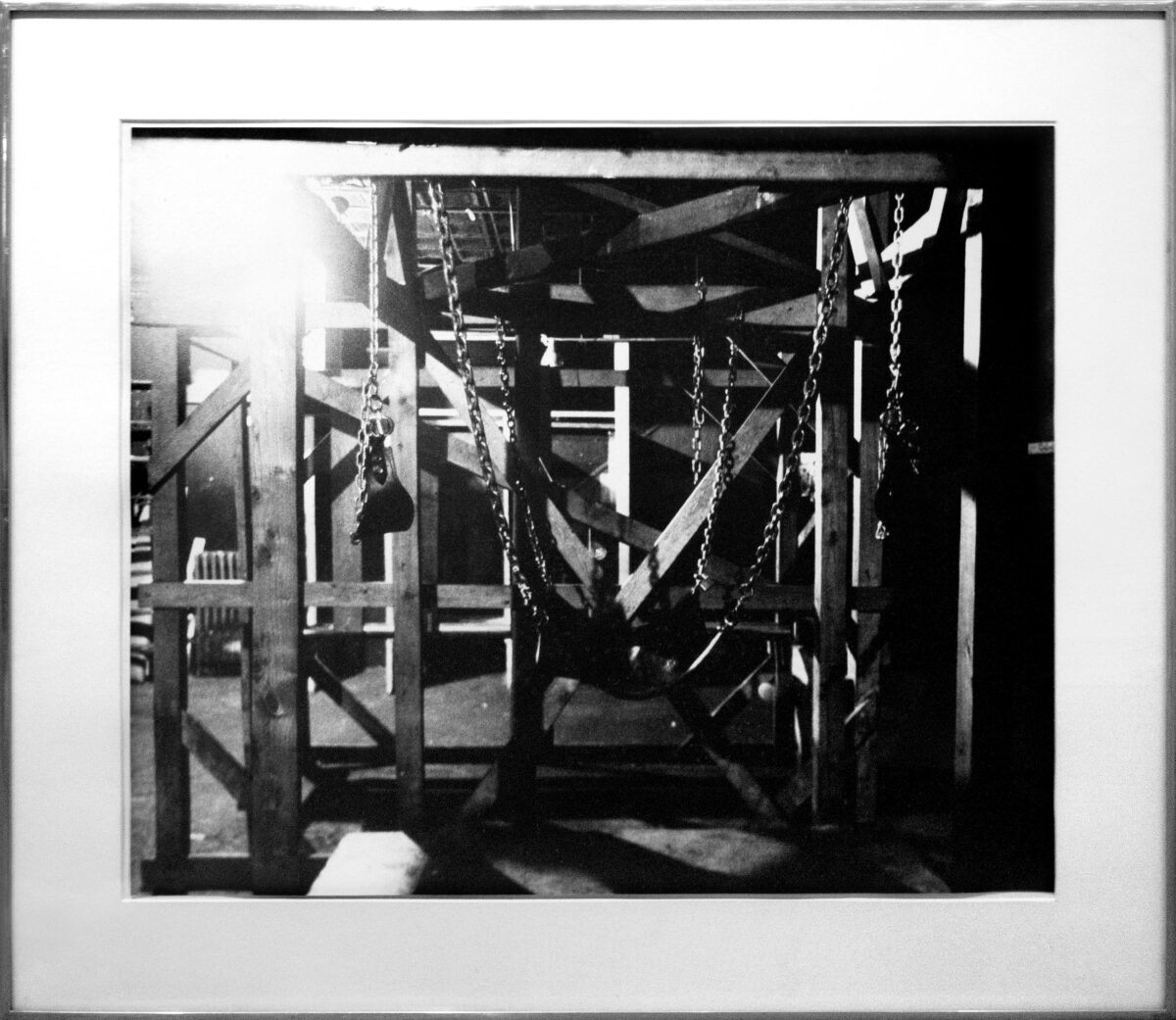
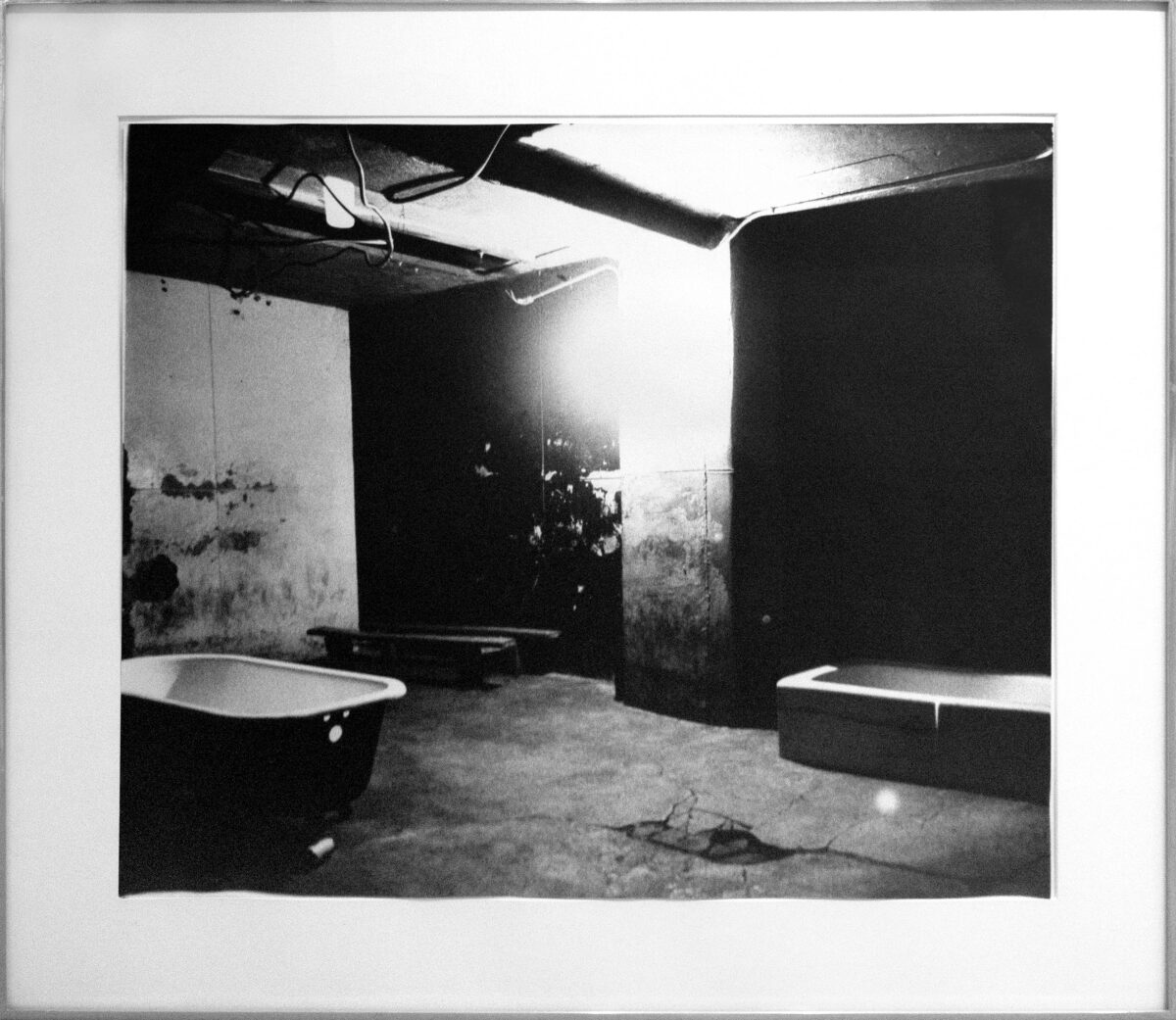

George Dudley/ The Mineshaft: Photographs of the Mineshaft, the iconic gay leather club in New York’s Meatpacking District, were among the archive’s discoveries. Dudley, also the foundation’s first director, helped document a space that was rarely photographed. That history is now part of the permanent record.
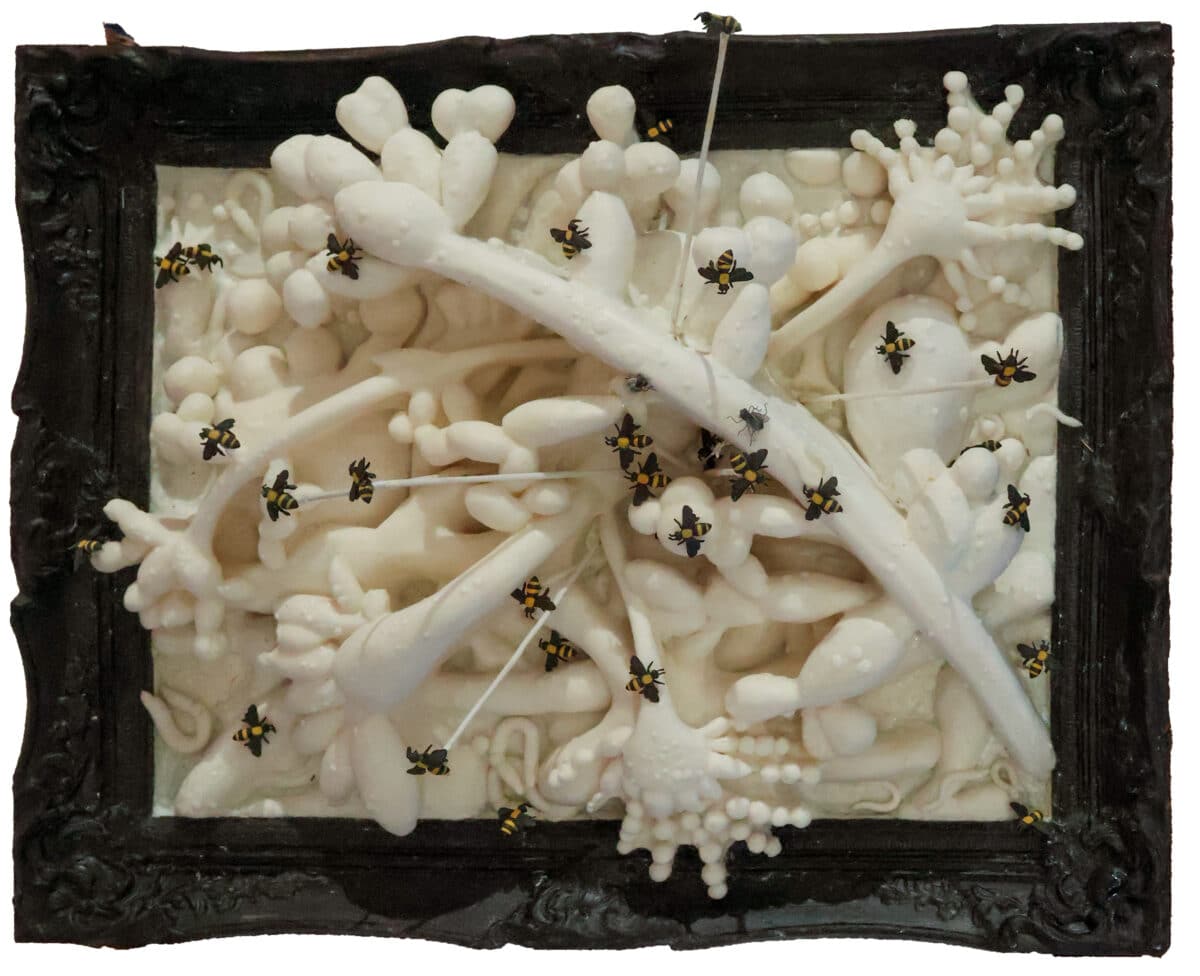
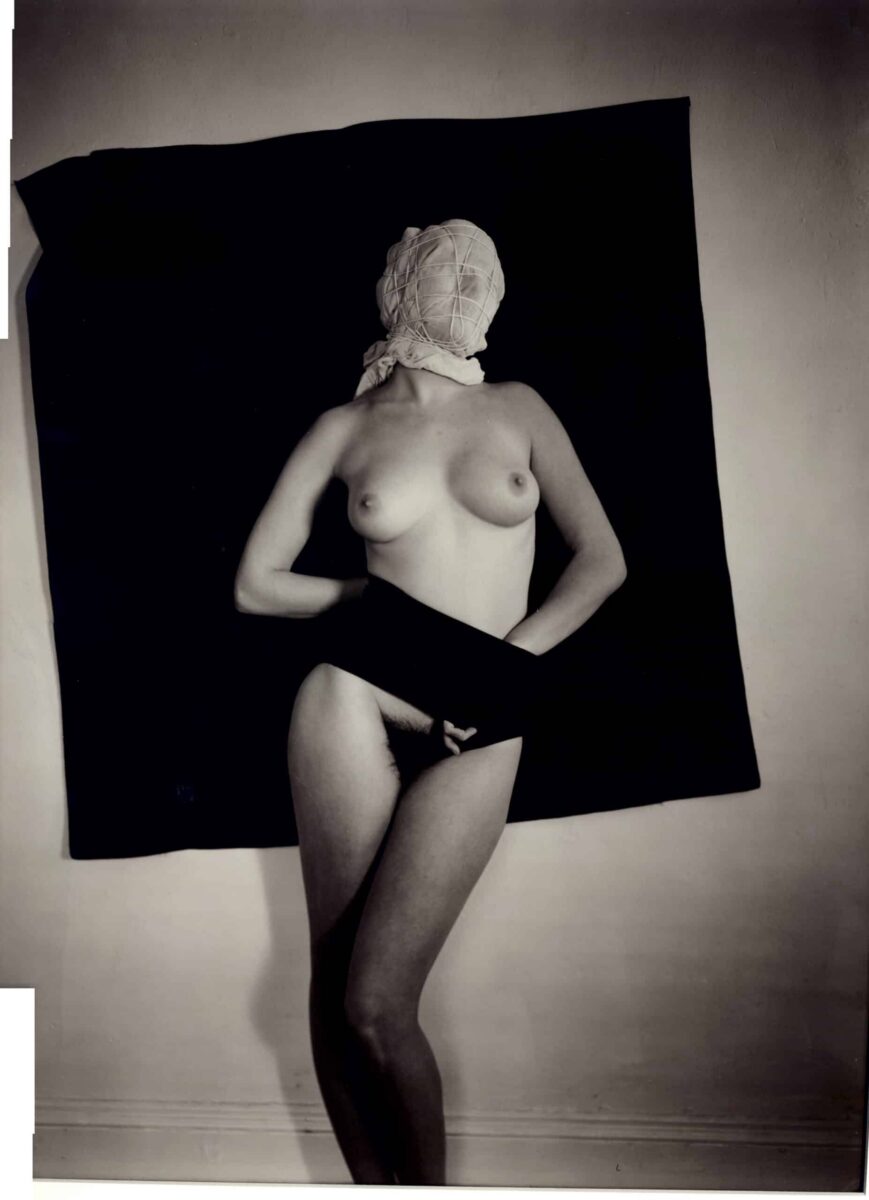
Jeanne Silverthorne: A mistake that turned into a donation. A photo incorrectly attributed to acclaimed artist Jeanne Silverthorn was discovered in storage. The Leslie-Lohman team reached out to Silverthorn directly to verify. She confirmed the attribution was wrong—and then offered to donate one of her pieces to the museum, expanding both the collection and the relationship between the institution and living artists.
A Debut Stage for Work That Never Had One
Museums are places where a community’s sense of itself is held, contested, and transmitted across time. For communities whose histories have been suppressed, criminalized, and actively erased, the states of an archive are not merely academic.
“[We hope to continue to] expand on our founders’ work but remain eternally in debt for their radical act”
The digitized collection will be made publicly available in stages, already drawing inquiries from researchers and graduate students globally. A traveling exhibition is in development to bring the work beyond New York—an acknowledgment that the cultural memory held in these storage units belongs not just to the city where it was made, but to everyone with a stake in an honest account of queer American art and life.
“Collections like Leslie-Lohman’s are where art history actually lives,” said Randall Griffey, Program Director for American Art. “We are proud to support this civic work—cataloging a collection that deepens our understanding of American art and the communities that made it.”
Often, the most consequential work happens before anyone can see it. In the case of Leslie-Lohman, the archive is not a product but a foundation. It is safeguarding a future by caretaking a past that was hidden away in boxes for far too long.
The work that isn’t flashy is perhaps some of the most impactful, so when you open a box and find some shoes—keep the shoes.