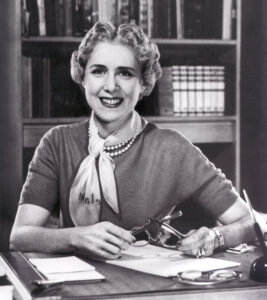
For over four decades, the Luce Foundation’s American Art Program has championed the belief that art is more than just an artifact. It’s a living dialogue, a way to carry stories forward, confront omissions, and create space for belonging. With more than $240 million awarded to museums and arts organizations across all 50 states, the program has expanded the definition of American art. It has supported exhibitions, collections, publications, and the development of the next generation of scholars and curators.
In recent years, this commitment has deepened. The program has prioritized the work of Indigenous, African American, LGBTQ+, and Asian American and Pacific Islander artists, creating space for histories that are often overlooked. Across the field, it has fostered a growing community of practice focused on learning, ethical stewardship, and social justice.
Here, we invite a more personal perspective from artists, curators, and museum visitors on why art matters; not just to institutions, but to individuals. How does art shape what we carry forward? Which stories deserve to be remembered? And how does creative practice help communities see themselves and each other more clearly?
TERRY CARBONE, THE LUCE FOUNDATION’S FORMER AMERICAN ART PROGRAM DIRECTOR ON SEEING THROUGH ART
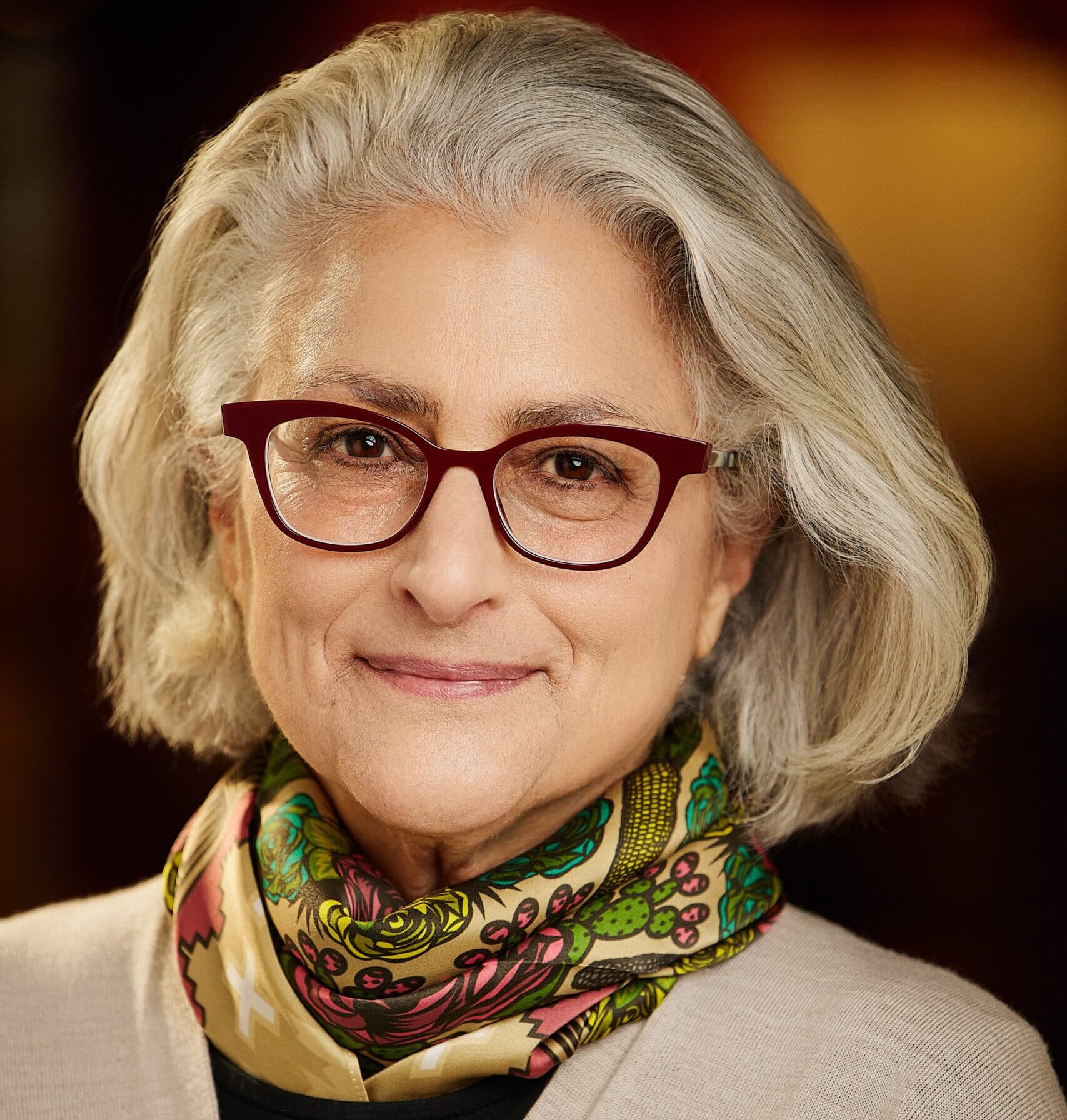
TERRY CARBONE. Photo: Travis Curry
Ever since I became aware of the visual arts as a teenager, art has been my entry point to a wider world. Works of art can be doorways into experiences, ideas, cultures, emotions, and places that are not our own. For me, art has always been an invitation to understanding the world differently.
At first, this was about being able to visualize history and cultures that were chronologically or geographically distant. (How, for example, would we envision Ancient Egypt, Elizabethan England, or Aztec society, without their visual cultures?)
As I began my curatorial practice, I sought to thread together cultural stories by immersing myself in the American art, literature, and history of a given moment—whether the Gilded Age, the 1920s, or the 1960s–with the art always in the lead.
I consistently found, as I hope viewers of my exhibitions did, that these art-based cultural stories deepened our experience and understanding of the present-day American culture in which we are operating: its pasts, challenges, tragedies, ideals, complexities, aspirations, and even its real or imagined transcendent beauty.
WRITER LANGA CHINYOKA ON FIRELEI BÁEZ’S “THE FACT THAT IT AMAZES ME DOES NOT MEAN I RELINQUISH IT”
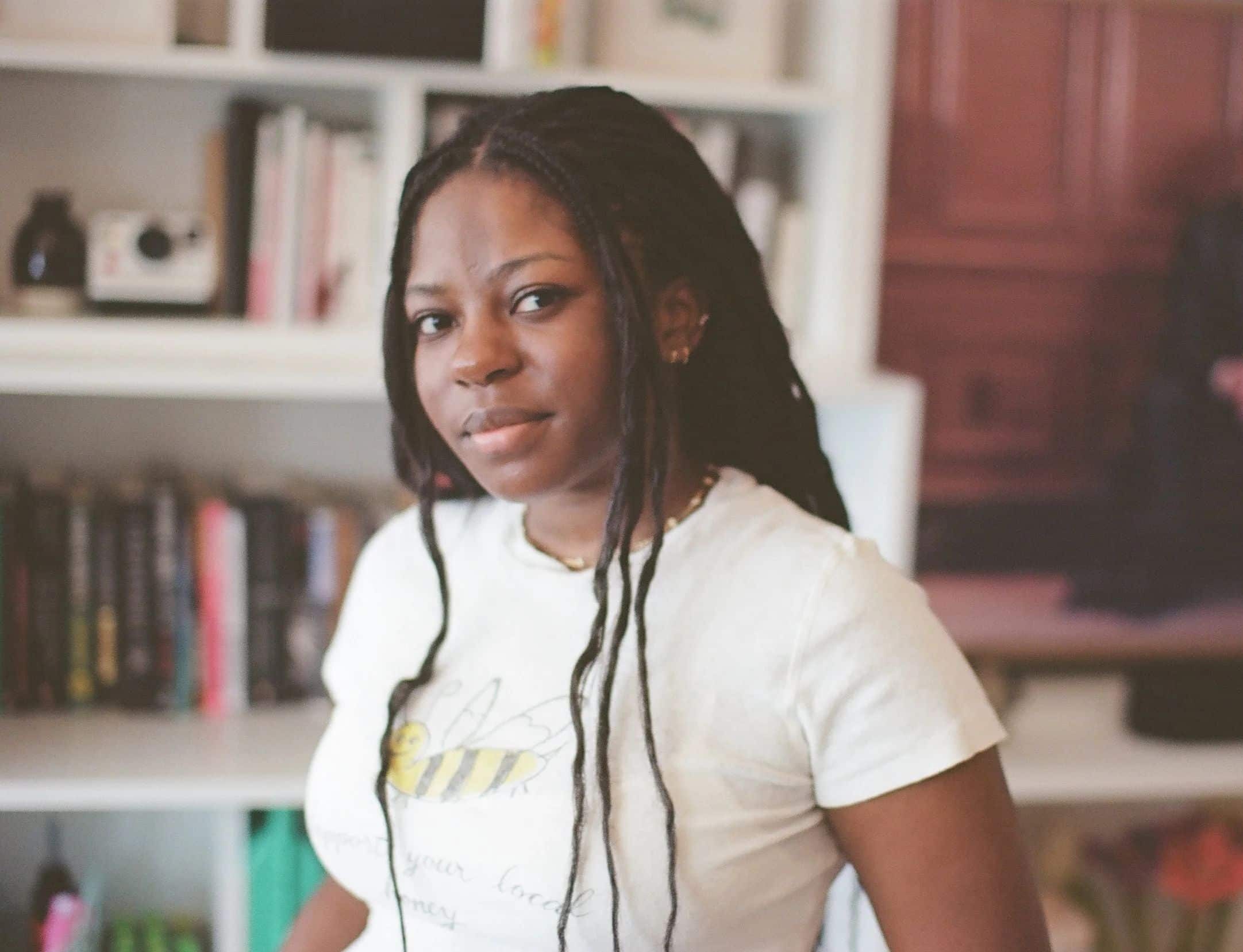
LANGA CHINYOKA
In a writing class, someone asked me about the first time I was moved by art. I shared my experience of visiting a sculpture garden in the North of England when I was about eight or nine years old. My school had allowed our entire class to explore the garden in search of sculptures. Organically interacting with the art, especially out in nature, was the first time art felt personal to me, like I wasn’t trying to figure out an obscure puzzle.
Since then, I have transitioned from the garden to the gallery space, continually searching for connections in artworks that feel like portals. The art that resonates with me is often that which reflects a hidden part of myself, and invites me to examine long-held beliefs or reassures me that I was not alone in my feelings.
Firelei Báez’s figures are among my favorites for this reason. Drawing on history while radiating vibrancy, her work bridges past and present, organic and constructed, masculine and feminine. The result is a narrative world larger than life.
Her explorations of colonialism and land resonate deeply with me as an African immigrant from a former British colony, and as a settler on Indigenous land. In her art, I find both confrontation and invitation: a call to reckon with what we inherit and an opening toward conversation about our shared ties to place.
Standing before Báez’s work, I felt reminded that even amid today’s challenges, beauty endures. Yet that beauty is fragile. When the 2025 fires swept through my Los Angeles neighborhood, they revealed how quickly beauty can be undone—and how often it rests on unexamined colonial histories that continue to shape the ground beneath us.
Experiencing Báez’s artwork served as a visceral reminder that, despite the challenges we face in the world today, beauty still exists.
MOUMINATOU THIAW ON GUIDING AUDIENCES THROUGH ART (as told to Langa Chinyoka)
Curatorial Fellow, The Frist Art Museum
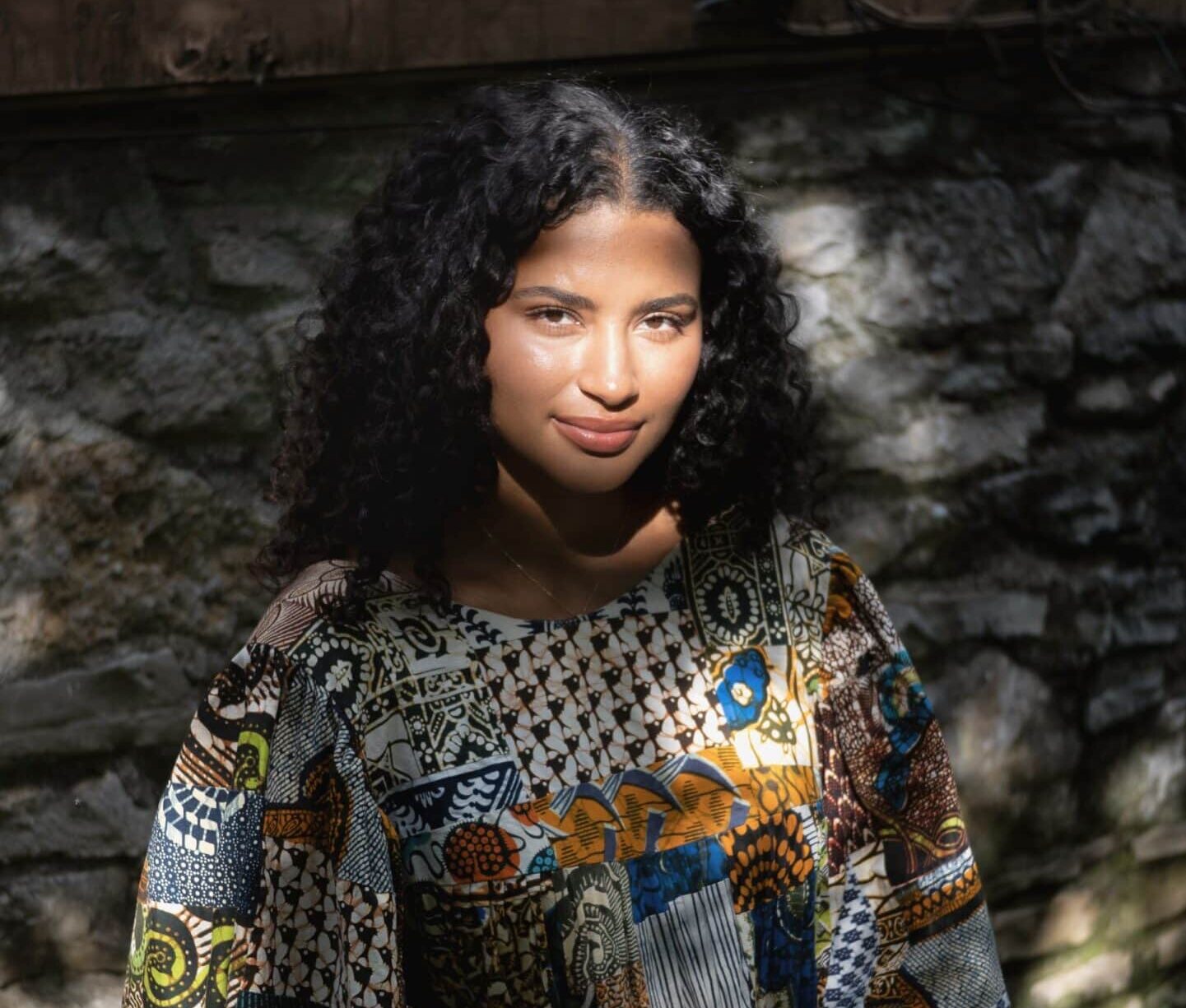
MOUMINATOU THIAW
Although I don’t have a formal background in fine arts or art history, my work as a visual artist and curator is deeply informed by Africanist and Womanist thought. I draw from the critical philosophies of writers like Frantz Fanon, Stuart Hall, Toni Morrison, bell hooks, and Alice Walker—thinkers who challenge binary thinking around race, gender, class, and our relationship to land and environment. These ideas form the backbone of how I approach visual storytelling: not just as a form of expression, but as a method of intellectual and spiritual inquiry.
As a curator, my role extends beyond research and exhibition design. It’s about synthesizing global perspectives and translating them for the public—on gallery walls, in public programming, and through collective conversation. That’s why I value diasporic dialogue and the thematic through-lines of Pan-Africanism and Womanism. When you approach knowledge and language about Pan-Africanism, those more fluid concepts and structures help to transcend the rigid concept of Black and white that America is very much obsessed with. It’s hard for us to break out of that structure of thinking when you’re devoted to bringing it up constantly.
Telling stories is a powerful way to push past the rigid Black-and-white racial binaries that dominate American discourse. When we embrace more fluid, diasporic structures of thought—especially through visual art—we begin to perceive race, identity, and belonging in more expansive ways. In my own practice, I explore how contemporary African artists use formal visual elements to create a new artistic language, one that transcends national and cultural boundaries while remaining grounded in place, memory, and community.
Museums, in this context, are not just repositories of culture but vital spaces for public learning. The investment in telling a cohesive story is long and deliberate—and necessarily so. Art allows us to explore ideas we don’t yet have language for. Through juxtaposition, material choice, and intentionality, artists reveal truths that often escape traditional discourse. My hope is that these truths encourage not just reflection, but transformation—helping people see themselves differently, and perhaps live differently, too.
ELIZABETH WICKHAM ON CURATORIAL CURIOSITY AND HOW ART IS FOR EVERYONE (as told to Langa Chinyoka)
Curatorial Assistant, The Museum of Modern Art
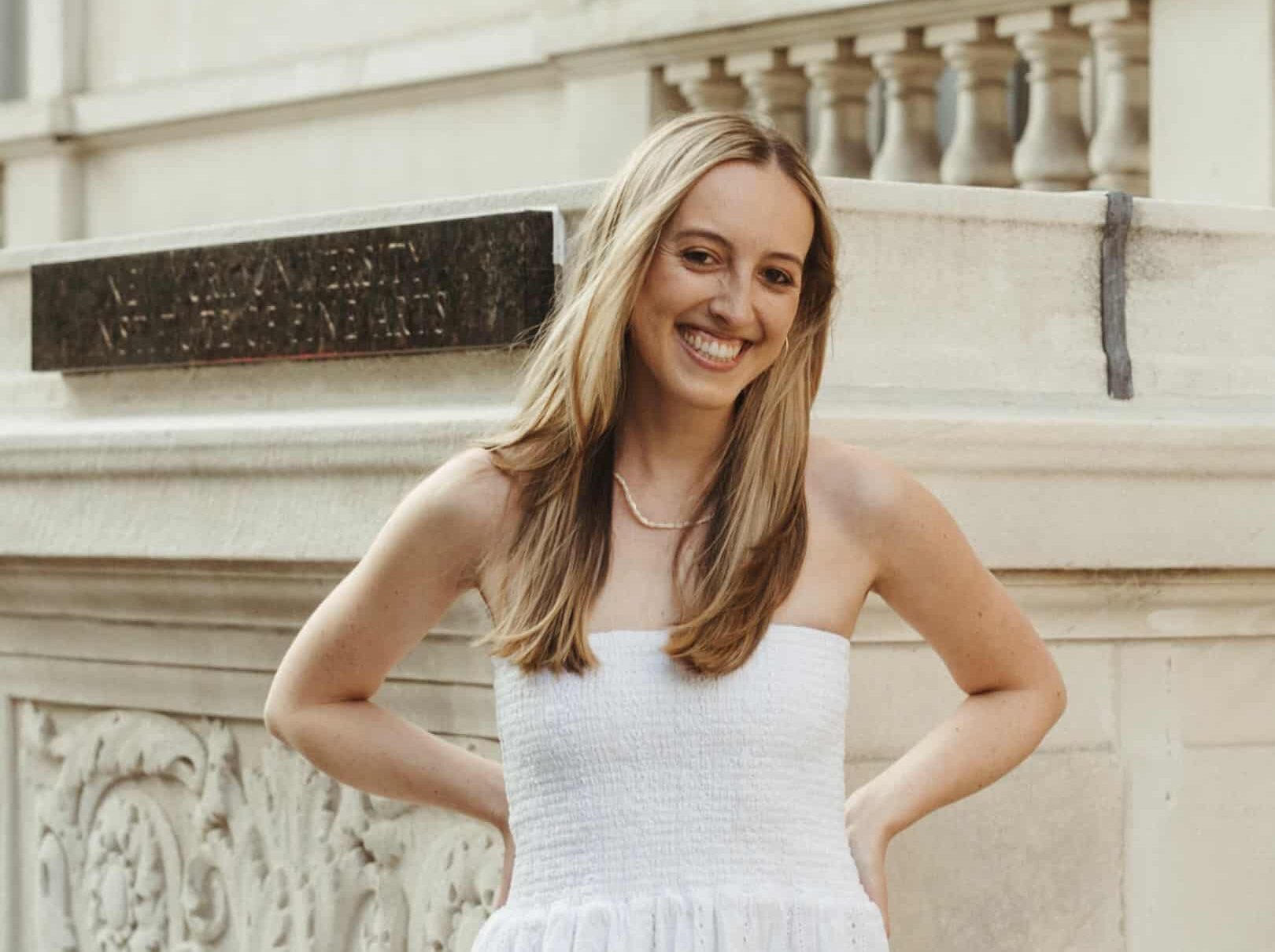
ELIZABETH WICKHAM. Photo: Gillian Lee.
Sometimes, a curator’s job is to make room for silence. By being silent, someone else can take their time and hopefully say something and ask a question.
As a curator, I’m interested in disrupting the boundaries between art and the audience, as well as using art as a tool to dismantle even larger boundaries and institutions. I’m particularly interested in work by marginalized artists, and looking back at art history to inform the potential of art in the future. I wrote my dissertation on Faith Ringgold, an artist who exemplifies the disruption of hierarchies between art genres, asserting, “I’ve created something new, and you’ll take notice.
Throughout history, whether in America or elsewhere in the world, figures have attempted to define what is or is not considered art. And we’ve seen where that path has gone and what it’s a reflection of. In this period of divisiveness, there’s a lot of fear, and people are trying to separate folks from one another.
The future of American art is rooted in community. Looking back at the past, the community has supported us through these challenging times. Coming together in community, whether you’re an artist, a viewer, or simply someone who appreciates art, and experiencing it with others, is what will allow us to push through this time. And there is something so special about that.