Good storytelling inspires, enlightens, informs, and offers new perspectives—elevating voices that have been lost to history or misrepresented. Fiction and narrative nonfiction can be used to create vivid snapshots of the past, illuminate the present, and offer cautionary imaginings of what the future may hold. We partnered with The Center for Fiction to develop a curated book list to complement this edition of Story as Legacy.
The seven books below tell stories across history and culture that highlight the enduring power of memory.
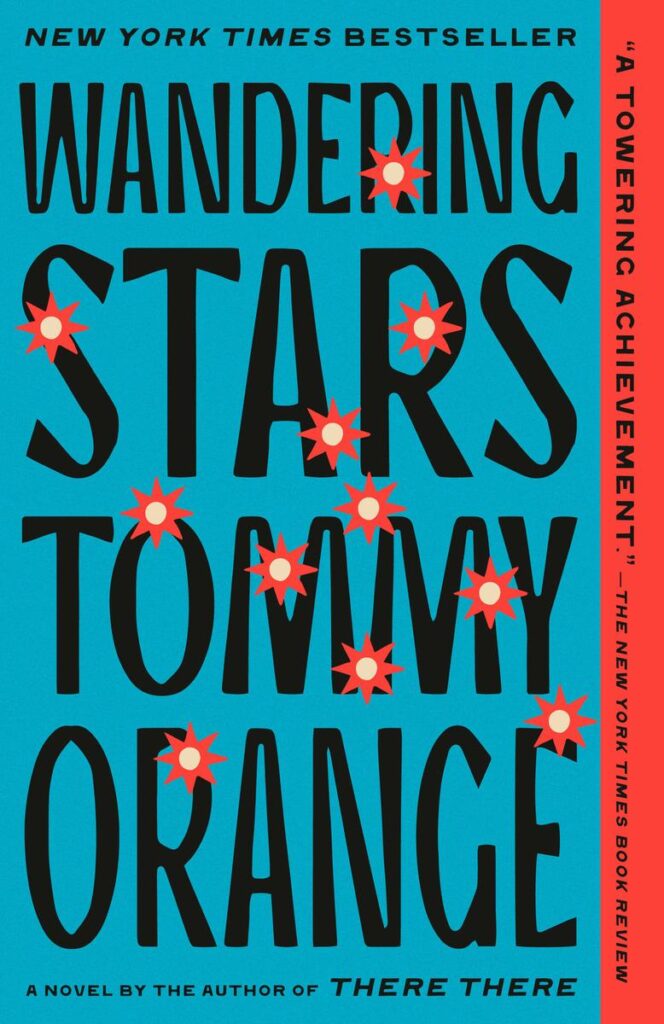
Colorado, 1864. Star, a young survivor of the Sand Creek Massacre, is brought to the Fort Marion prison castle, where he is forced to learn English and practice Christianity by Richard Henry Pratt, an evangelical guard who will later found the Carlisle Indian Industrial School, an institution dedicated to the eradication of Native history, culture, and identity. This remarkable novel follows Star’s descendants and explores the effects of generational trauma and resilience in the face of powerful forces intent on destroying the heritage and culture of an entire people. Told from multiple perspectives, it is an elegant and heartbreaking novel of survival.
This collection of interconnected stories, all set in Russia and spanning several decades, features characters living through turbulent times of oppression and suppression who are uplifted by the power of art and expression. In the opening story, a 1930s Soviet censor deep underneath Leningrad painstakingly corrects offending photographs, bewitched by the image of a disgraced prima ballerina. The stories that follow are linked in startling ways. As Sarah Lyall noted in the New York Times, “this miracle of a book [shows] us how a system can erase the past, the truth, even its citizens. [Marra] ends by demonstrating, through his courageous, flawed, deeply human characters, how individual people can restore the things that have been taken away.”
Set in the rural countryside of Arthurian England, Ishiguro’s extraordinary—often overlooked—novel tells the dreamlike story of two wanderers, Axl and Beatrice, as they embark on a journey to find their son. Impeding their quest is a mysterious mist that has settled through the land, causing mass amnesia. Equal parts historical fiction, fantasy, and philosophical rumination, this book beautifully explores a world that is longing for meaning after memories are forgotten.
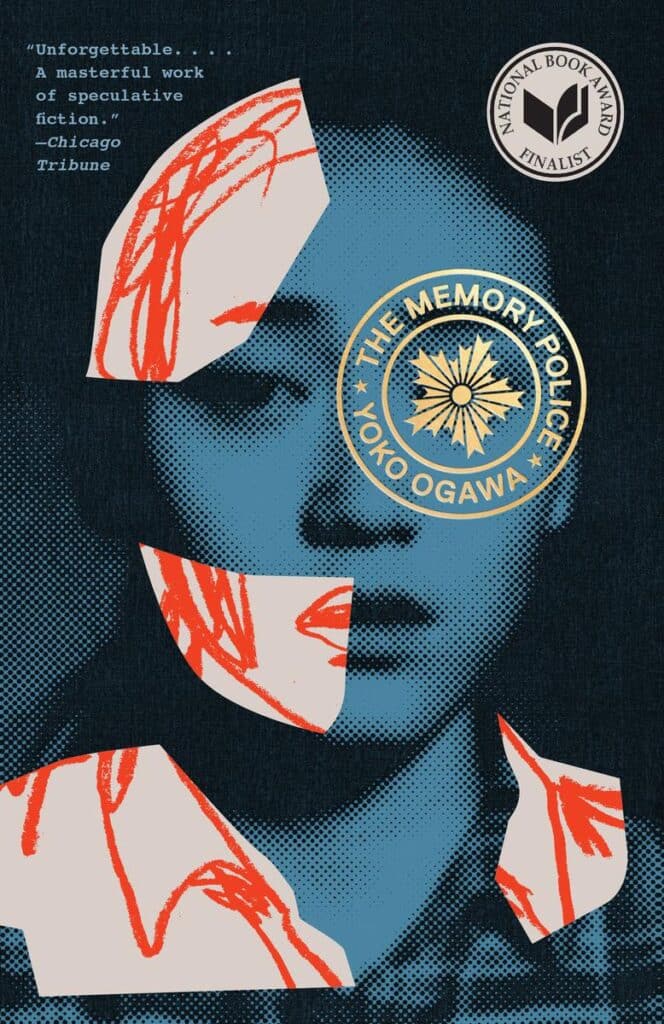
This dark, dystopian book explores the profound power of memory (and its loss) through the perspective of its unnamed narrator, a novelist marooned on an island under the control of the authoritarian “memory police” who ensure that things are slowly, collectively forgotten. When the protagonist discovers that her editor is in danger, she concocts a plan to hide him beneath her floorboards. Together, they cling to her writing as a last way of preserving the past.
Thien’s latest work tells the story of a mysterious and shape-shifting enclave called “The Sea,” in which pasts and futures collide. Traveling between centuries, generations, and ideas, The Book of Records is a testament to the migratory nature of humanity and our ceaseless search for home—physical, historical, imaginative—in the wake of catastrophe.
Watch: Madeleine Thien in conversation with Maaza Mengiste at The Center for Fiction.
This powerful work of reportage tells the story of the generations-long fight for tribal sovereignty in Eastern Oklahoma, from the violent displacement of the Muscogee people in the 1830s to a landmark Supreme Court ruling returning more than three million acres of land in 2020. By chronicling contemporary legal battles and historic acts of Indigenous resistance, Nagle (a citizen of the Cherokee Nation) exposes centuries of greed, corruption, and lawlessness that have shaped our country.
Watch: Rebecca Nagle in conversation with writer and professor Audra Simpson at The Center for Fiction.
Beginning in his hometown of New Orleans, Clint Smith leads readers on an unforgettable tour of monuments and landmarks—those that are honest about the past and those that are not—and offers an intergenerational story of how slavery has been central in shaping our nation’s collective history, and ourselves. It is an absorbing and educational travelogue that highlights some of America’s most essential, yet undertold, stories.