When we visited The Shape of Power at the Smithsonian American Art Museum, the exhibition was already in the headlines. Months earlier, it had been cited in a presidential executive order, an attempt to “restore truth and sanity to American history” by contesting the idea that race is a social construct. The media storm ricocheted across the country, turning the exhibition into a flashpoint for debates about censorship, national identity, and who gets to tell the story of America.
Art has always reflected and contested power. In the United States, governments and institutions have long used art—especially sculpture—to assert national identity, define belonging, and shape collective memory. From coins that glorify settler colonial expansion to flags and monuments that veil exclusion in symbolism, policy has often dictated which narratives are elevated and which are erased.
Yet artists have continually found ways to speak beyond those official scripts. Through material, metaphor, and memory, they tell fuller, more human stories. They question the narratives shaped by policy while honoring the lived experiences within communities. They expose omissions, unearth buried histories, and ask us to reconsider who belongs—and what belonging truly means.
These tensions aren’t relics of the past. They are urgent, unfolding realities. Today’s artists confront similar forces of exclusion and erasure as they grapple with race, gender, citizenship, labor, and freedom in a time of shifting national narratives and political pressure.
The Shape of Power reminds us that history is not fixed. Each artist in this exhibition reframes the present, showing us how art and policy intersect—and how artists are actively reshaping the legacy of American power. Their work isn’t only critique; it’s creation. Not just reflection, but reimagining.
Below, we invite you to look closely at selected works from The Shape of Power. Compare what’s on the record with what’s missing, what’s layered, and what you may already know but rarely see named.
1799 – The Legacy of George Washington
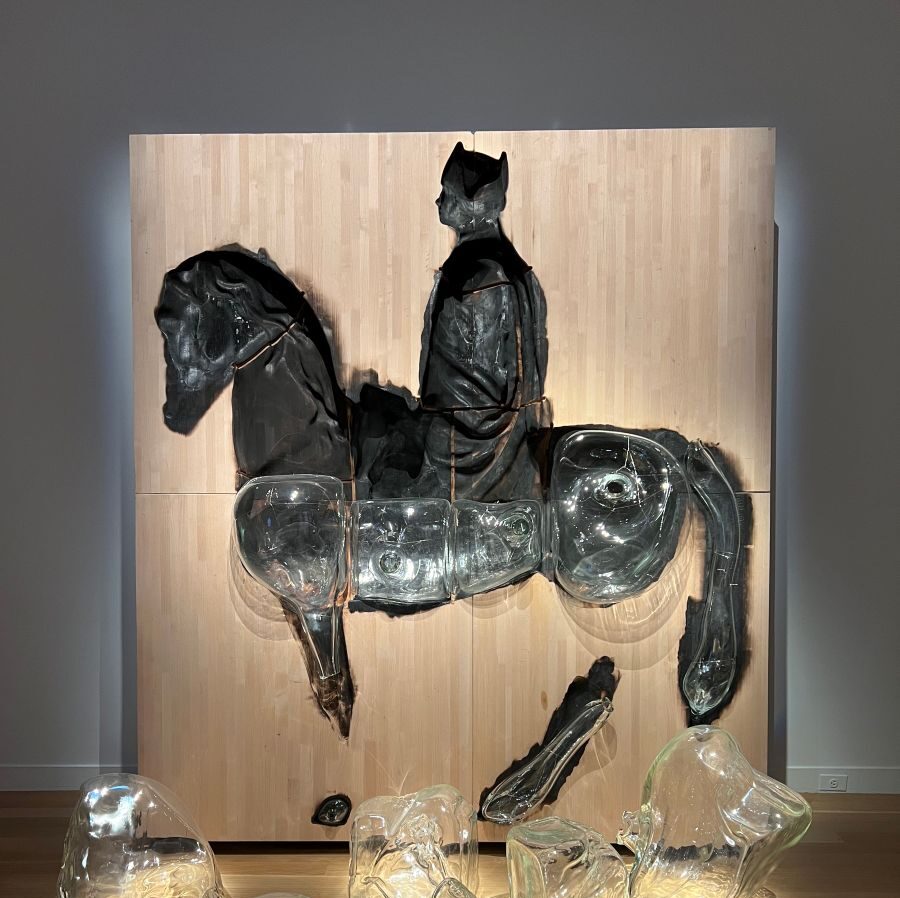
Sculpture: Monumental Inversions: George Washington, Titus Kaphar
On the Record: George Washington, America’s first president, is widely honored in bronze, marble, and myth.
A Deeper Story: Kaphar renders Washington as a scorched void. Blown glass orbs spill from a hollow form, challenging the permanence of heroism. The work recalls Washington’s role as an enslaver and his use of scorched-earth tactics against Indigenous communities—rupturing the image of the noble founding father.
1813 – The Death of Tecumseh
Sculpture: The Dying Tecumseh, Ferdinand Pettrich
On the Record: Tecumseh, the Shawnee leader who united tribes to defend their homelands, was killed in the War of 1812.
A Deeper Story: In the U.S. Capitol, Pettrich’s sculpture showed him in flowing robes, cast as a “noble savage.” It honored his strength while framing his fall as inevitable—a narrative used to justify Indigenous dispossession for generations.

1861 – Lincoln’s First Inauguration
Sculptures: Discovery of America and The Rescue, flanking the Capitol
On the Record: Lincoln took office as the nation teetered on civil war.
A Deeper Story: Behind him stood two now-removed sculptures glorifying settler conquest and Indigenous defeat—visible at every inauguration for a century.

1918 – The Lynching of Mary Turner
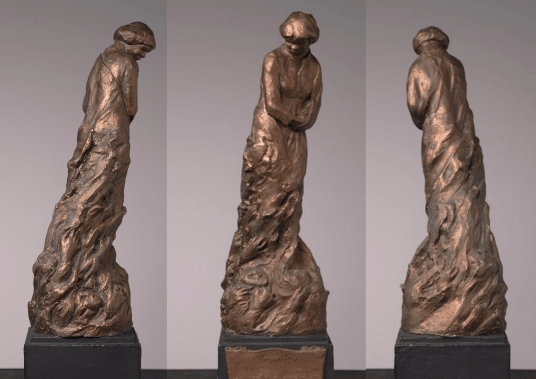
Sculpture: In Memory of Mary Turner as a Silent Protest Against Mob Violence, Meta Warrick Fuller
On the Record: Mary Turner, a pregnant Black woman, was lynched in Georgia.
A Deeper Story: Fuller—one of the first Black women to depict lynching—crafted a personal memorial in grief and protest. Her sculpture quietly preserves the memory of one woman, one horror, in a sea of racial terror.
1942 – Japanese American Incarceration
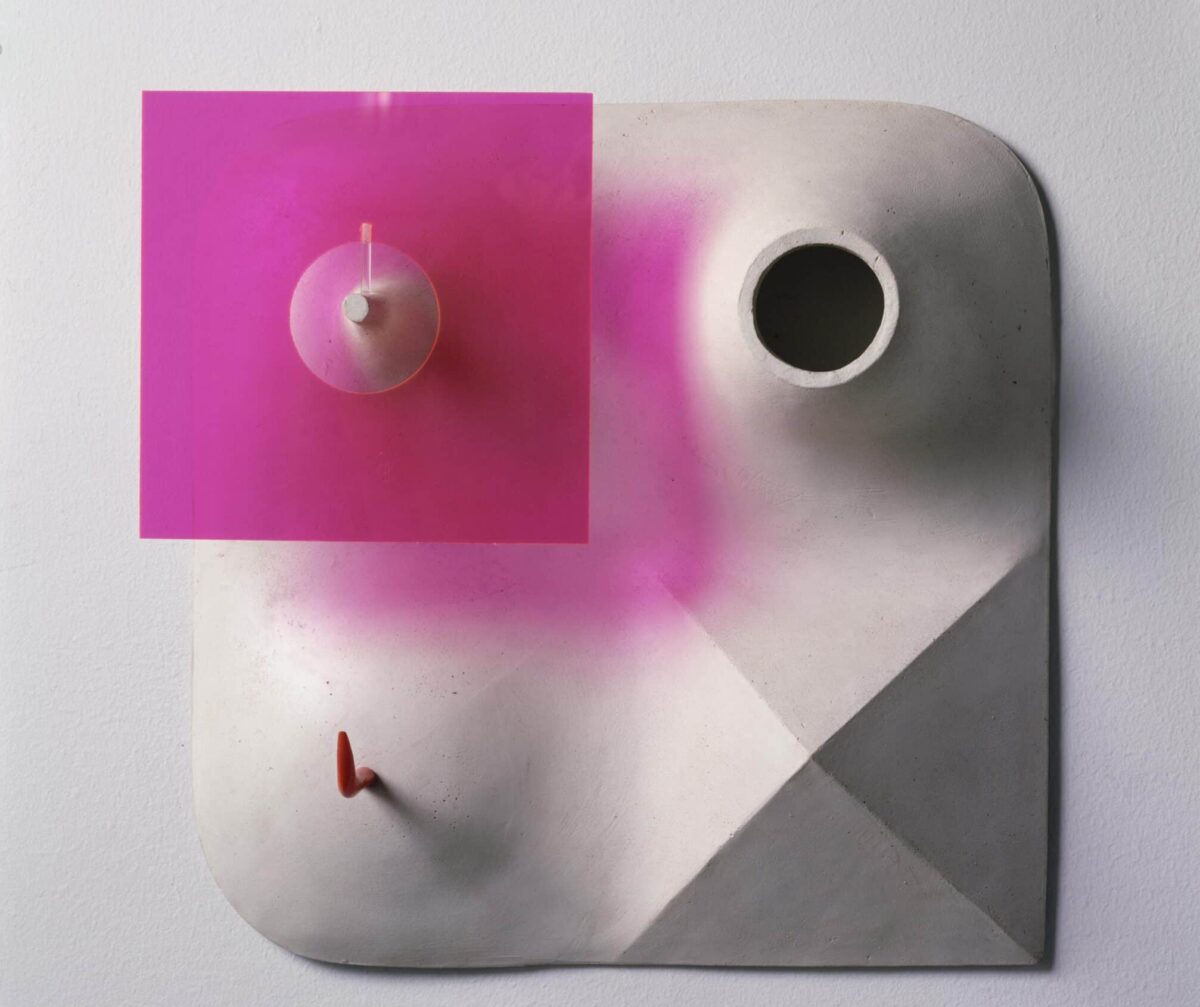
Sculpture: My Arizona, Isamu Noguchi
On the Record: Over 120,000 Japanese Americans were forcibly relocated to internment camps.
A Deeper Story: Noguchi volunteered to live in one of them. His sculpture marks the physical and emotional toll of that choice—and his refusal to remain silent.
1945 – Hiroshima and Nagasaki
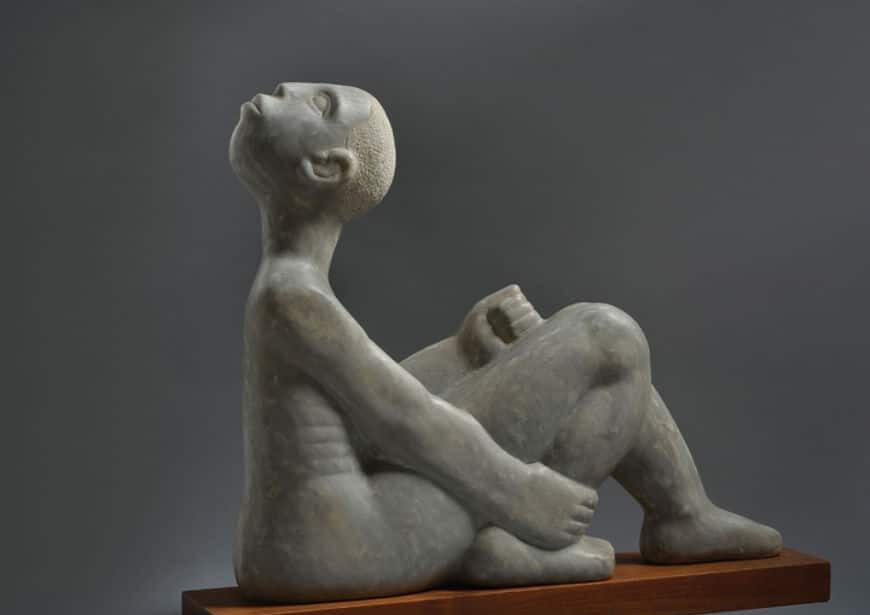
Sculpture: Skywatcher, Marion Perkins
On the Record: The atomic bomb killed hundreds of thousands in Japan.
A Deeper Story: This memorial by a Black American artist stood in solidarity with Japanese victims and challenged the racism beneath wartime decisions.
1968 – César Chávez’s Fast
Sculpture: Farm Workers’ Altar, Emanuel Martinez
On the Record: César Chávez fasted for 25 days to reaffirm the farmworker movement’s commitment to nonviolence.
A Deeper Story: This altar, used in the Mass that ended the fast, blends Indigenous iconography, Catholic ritual, and union solidarity into a sacred protest object.

1968 – Tommie Smith’s Black Power Salute
Sculpture: Bridge, Glenn Kaino
On the Record: Tommie Smith raised a gloved fist on the Olympic podium.
A Deeper Story: Kaino’s 100-foot sculpture links Smith’s gesture to past and future resistance—a bridge across generations of protest.

2018 – Remembering the Pueblo Revolt
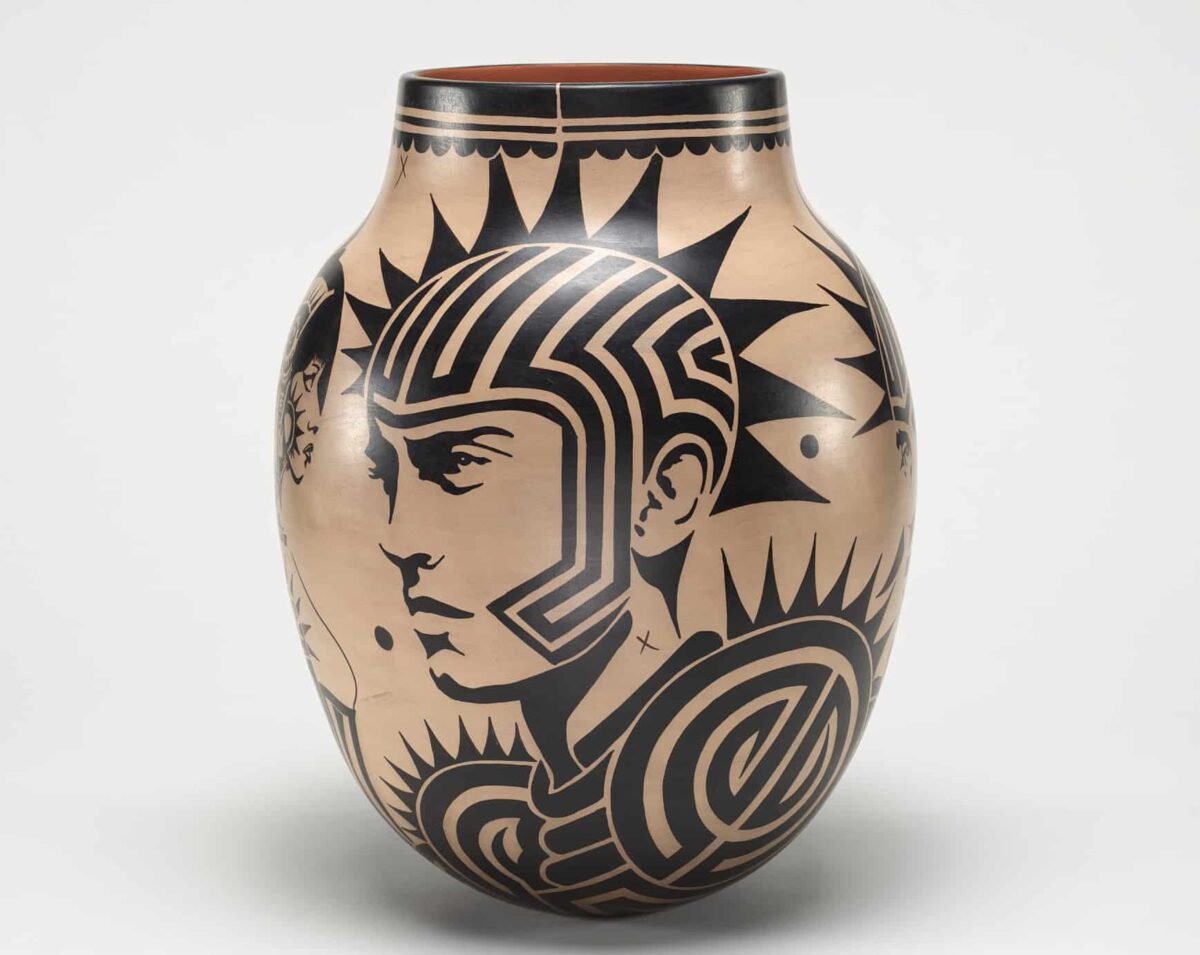
Sculpture: Pueblo Revolt 2180, Virgil Ortiz
On the Record: In 1680, Pueblo peoples revolted against Spanish colonizers.
A Deeper Story: Ortiz imagines their descendants reclaiming power in 2180. His futuristic warrior sculptures collapse time, refusing to let resistance be forgotten.
Explore more from The Shape of Power


After the headlines, a different story unfolded inside the gallery
While the exhibition became a flashpoint, visitors experienced something totally different. Inside the gallery, the controversy gave way to reflection, gratitude, and thoughtful engagement with history. For them, the exhibition was an opportunity to understand power, history, and belonging through a new perspective and a shared responsibility for history. Nearly 2,000 visitors left handwritten reflections. Below are a select few.